Japanese Idioms – Part 2 (6–10)
Learn 5 Japanese idioms about people, relationships, and peace of mind, with JP/EN examples and a short video lesson.
These idioms are common in daily conversation and useful for JLPT preparation (N3–N1). They convey personality traits, social dynamics, and feelings, helping you interact naturally and grasp authentic Japanese content.
Part of the Japonin Classic Series, with retro-style illustrations and short video lessons for effective and enjoyable learning.
ああ言えばこう言う
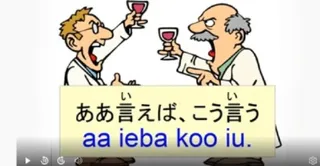
Examples
- ああ言えばこう言うタイプの人とは話すのが疲れる。
It’s exhausting to talk with someone who always contradicts everything. - 彼はああ言えばこう言うから、会議が進まない。
The meeting never progresses because he always has to contradict whatever is said.
Mini Quiz
A: この映画、おもしろかったね。
B: いや、つまらなかったよ。
A: ほんとに( )ね。
- ああ言えばこう言う
- 気が利く
- 枕を高くする
Show Answer
Answer: 1
Vocabulary & Notes
- ああ言えばこう言う:always contradicting, arguing back no matter what
- 会議:meeting
- 疲れる:to get tired
- 気が利く:to be thoughtful, considerate
- 枕を高くする:to sleep in peace, to feel relieved (literally “rest your head high on the pillow”)
見栄っ張り
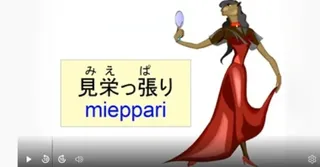
Examples
- あの人は見栄っ張りで、高いブランドのバッグばかり買っている。
She’s a show-off and always buys expensive designer bags. - 彼は見栄っ張りだから、収入よりも派手な生活をしている。
He’s pretentious and lives a flashier life than his income allows.
Mini Quiz
A: またブランドのバッグ買ったの?
B: うん、みんなに見せたくてさ。
A: ほんとに( )だね。
- 赤の他人
- 持ちつ持たれつ
- 見栄っ張り
Show Answer
Answer: 3
Vocabulary & Notes
- 見栄っ張り:show-off, pretentious person
- 派手:flashy, showy
- 収入:income
- 赤の他人:total stranger
- 持ちつ持たれつ:give-and-take, mutually supportive relationship
枕を高くする
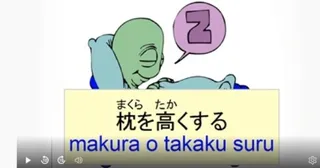
Examples
- 借金を全部返して、やっと枕を高くすることができた。
After paying off all my debts, I can finally sleep peacefully. - 問題が解決したので、枕を高くして休める。
Now that the problem is solved, I can rest easy.
Mini Quiz
A: やっとレポートを全部提出したよ。
B: これで( )して眠れるね。
- 枕を高く
- 油断
- 我慢
Show Answer
Answer: 1
Vocabulary & Notes
- 枕を高くする:to sleep peacefully, to feel relieved
- 借金:debt
- 解決:solution, resolution
- 油断:negligence, being off guard, overconfidence
- 我慢:endurance, patience, self-control
赤の他人
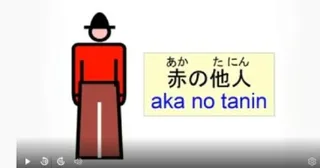
Examples
- もう彼とは赤の他人だから、関係ない。
He’s just a complete stranger to me now, so it has nothing to do with me. - その人は赤の他人なのに、なぜそこまで助けるの?
Why would you go that far to help someone who’s a complete stranger?
Mini Quiz
彼とは長い付き合いなんだ。( )とは思えないよ。
- 赤の他人
- 見栄っ張り
- 世話やき
Show Answer
Answer: 1
Vocabulary & Notes
- 赤の他人:a total stranger, completely unrelated person
- 関係:relationship, connection
- 助ける:to help, assist
- 見栄っ張り:show-off, pretentious person
- 世話やき:meddlesome person, someone who likes to take care of others
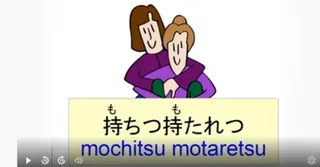
持ちつ持たれつ
Examples
- ビジネスは持ちつ持たれつで、お互いに助け合うことが大切だ。
Business is about give and take — it’s important to help each other. - この町の人たちは持ちつ持たれつで暮らしている。
People in this town live in mutual support with one another.
Mini Quiz
A: 隣の人に野菜をもらったんだ。
B: いいね。これぞ( )だね。
- 持ちつ持たれつ
- 赤の他人
- 見栄っ張り
Show Answer
Answer: 1
Vocabulary & Notes
- 持ちつ持たれつ:give-and-take, mutually supportive relationship
- 互い:mutual, each other
- 助け合う:to help each other
- 赤の他人:a total stranger
- 見栄っ張り:show-off, pretentious person
Back to the full list: 30 Japanese Idioms · Try quizzes: Idioms quizzes
Keep learning beyond idiomsGo deeper with our structured online lessons or connect with our teaching team. .
Practice these idioms in live lessons
Try two 50-minute sessions with our teachers for free.
No commitment. Cancel anytime within 2 weeks.
Related Articles
Since 2006, Japonin (JOI) has provided online Japanese lessons to over 6,000 learners worldwide, guided by our team of qualified and experienced teachers.
Written by Chiho Kamioka, Founder of Japonin (JOI)