Japanese Idioms – Part 4 (16–20)
Learn 5 Japanese idioms about people, values, and social life, with JP/EN examples and a short video lesson.
These idioms are common in daily conversation and useful for JLPT preparation (N3–N1). They describe ideals, attitudes, and everyday customs, allowing you to explore Japanese culture more deeply and use expressions with confidence.
Part of the Japonin Classic Series, with retro-style illustrations and short video lessons for effective and enjoyable learning.
高嶺の花
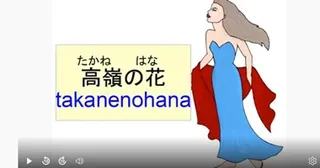
Examples
- 彼女は高嶺の花で、僕には手が届かない。
She’s out of my league, an unattainable ideal for me. - あのブランドの時計は高嶺の花で、学生の私には手が届かない。
That brand’s watch is completely out of reach for a student like me.
Mini Quiz
A: あのブランドの新作、すてきだね。
B: いいよね、でも私には( )かな。
- 手が届く
- 高嶺の花
- 目と鼻の先
Answer
② 高嶺の花
Vocabulary & Notes
- 高嶺の花:someone/something out of reach
- 届かない:cannot reach
- 目と鼻の先:very close / a stone’s throw away
お裾分け
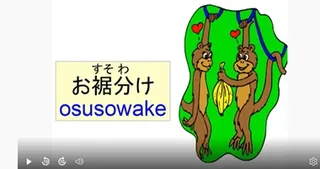
Examples
- 田舎の母がイチゴを送ってくれたのでお裾分けしました。
My mother from the countryside sent me strawberries, so I shared them with others. - 鈴木さんに手作りのクッキーをお裾分けしてもらった。
I received some homemade cookies from Mr. Suzuki.
Mini Quiz
A: さくらんぼをたくさんもらったんで、( )するね。
B: ありがとう。
- 独り占め
- 形見分け
- お裾分け
Answer
③ お裾分け
Vocabulary & Notes
- お裾分け:sharing a portion of what you received or have in surplus
- 田舎:countryside
- 手作り:handmade
- 形見分け:dividing mementos of the deceased
- 独り占め:monopolizing / keeping something all to oneself
楽天家
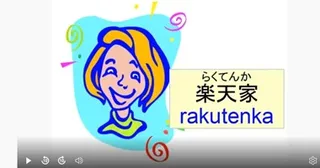
Examples
- 彼は楽天家で、「なんとかなるよ」と笑っている。
He stays optimistic and says, “It’ll work out.” - 彼女は楽天家だから、計画が遅れても、落ち着いて対処できる。
Even when the plan falls behind, she keeps calm and handles it because she’s an optimist.
Mini Quiz
A: またトラブル?
B: うん。でも私は( )だから、大丈夫!
- 心配性
- 楽天家
- 無口
Answer
② 楽天家
Vocabulary & Notes
- 楽天家:an optimist; upbeat person
- 対処:handling; dealing with
- 心配性:a worrier
- 無口: not talkative
出るところに出る
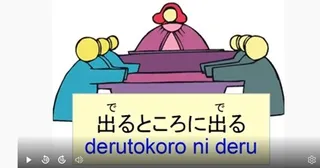
Examples
- 出るところに出るしかない、と彼は弁護士に相談した。
He said he had no choice but to take it to court and consulted a lawyer. - こんなに契約を無視されては、出るところに出るしかない。
If the contract keeps being ignored like this, we’ll have to go through official channels.
Mini Quiz
Since the issue couldn’t be resolved through discussion, in the end there was no choice but to take it to court.
- 出るところに出る
- 泣き寝入りする
- 水に流す
Answer
① 出るところに出る
Vocabulary & Notes
- 出るところに出る:take official action / escalate
- 弁護士:lawyer
- 契約:contract
- 決着:settlement; resolution
- 泣き寝入りする:to give up without resisting
- 水に流す:to let bygones be bygones
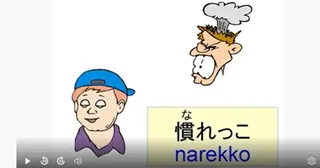
慣れっこ
Examples
- 残業ばかりだけど、もう慣れっこだよ。
I’ve been working overtime so much that I’m already used to it. - 北海道に3年も住んでいるので、寒さにはもう慣れっこだよ。
I’ve lived in Hokkaido for three years, so I’m already used to the cold.
Mini Quiz
A: この騒音、気にならないの?
B: うん、もう( )だから。
- 初心者
- 被害者
- 慣れっこ
Answer
③ 慣れっこ
Vocabulary & Notes
- 慣れっこ:being used to something; old hand
- 残業:overtime work
- 騒音:noise
- 初心者:beginner
- 被害者:victim
Back to the full list: 30 Japanese Idioms · Try quizzes: Idioms quizzes
Explore Japanese beyond idioms.
Take structured lessons in our online programs or learn directly with our expert teachers.
Practice these idioms in live lessons
Try two 50-minute sessions with our teachers for free.
No commitment. Cancel anytime within 2 weeks.
Related Articles
Since 2006, Japonin (JOI) has provided online Japanese lessons to over 6,000 learners worldwide, guided by our team of qualified and experienced teachers.
Written by Chiho Kamioka, Founder of Japonin (JOI)