Japanese Idioms – Part 5 (21–25)
Learn 5 Japanese idioms that reflect daily life and human nature, with JP/EN examples and a short video lesson.
These idioms are common in everyday conversation and JLPT preparation (N3–N1). They reveal money matters, habits, honesty, and personal feelings, helping you apply Japanese more naturally and recognize authentic expressions.
Part of the Japonin Classic Series, with retro-style illustrations and short video lessons for effective and enjoyable learning.
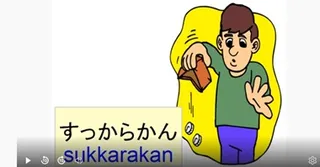
すっからかん
Examples
- 給料日の前で、さいふがすっからかんだ。
It’s right before payday and my wallet is completely empty. - 友だちに誘われたけど、さいふがすっからかんでいけない。
My friends invited me, but my wallet is empty so I can’t go.
Mini Quiz
A: きょうランチいける?
B: ごめん、財布が( )なんだ。
- 満腹
- 満タン
- すっからかん
Answer
③ すっからかん
Vocabulary & Notes
- すっからかん:completely empty; broke
- 給料日:payday
- 満腹:full stomach
- 満タン:full tank
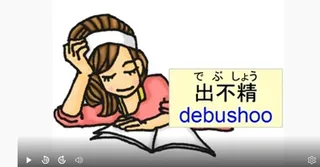
出不精
Examples
- 彼は出不精で、週末も家で過ごすことが多い。
He’s a homebody and often spends weekends at home. - 彼は行動的に見えるけど、本当は出不精なんです。
He looks active, but in reality he’s a homebody.
Mini Quiz
A: 授業のあと、みんなでカフェに行こうって話してるんだけど、Bさんも行く?
B: ごめん、さいきんすっかり( )になっちゃって。また今度ね。
- 出不精
- 人気者
- 楽天家
Answer
① 出不精
Vocabulary & Notes
- 出不精:homebody; reluctant to go out
- 人気者:popular person
- 楽天家:optimist
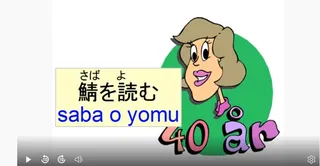
サバを読む
Examples
- 最近知り合った彼に年を聞かれて、つい5歳ほどサバを読んじゃった。
I was asked my age by a guy I just met, and I knocked off about five years. - 芸能界で、サバを読むのは普通らしいよ。
In the entertainment world, it seems normal to fudge your age a little.
Mini Quiz
A: 彼女は45歳って言ったけど、本当は58だって。
B: えー。( )の? 若く見えるね。
- サバを読んでた
- 計算してた
- 節約してた
Answer
① サバを読んだ
Vocabulary & Notes
- サバを読む:to fudge numbers; to shave off years
- 芸能界:entertainment world; show business
- 普通:normal; usual
- 節約:saving; economizing
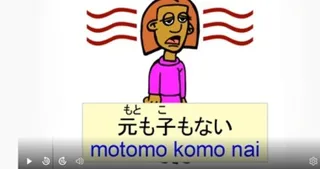
元も子もない
Examples
- 無理に残業して体調を崩したら、元も子もないよ。
If you overwork and get sick, you’ll lose everything—it defeats the purpose. - 節約をして人間関係が悪くなったら、元も子もない。
If extreme penny-pinching hurts your relationships, it’s pointless.
Mini Quiz
A: 徹夜でやれば間に合うかも。
B: でも倒れたら( )よ。
- 助かった
- 大成功
- 元も子もない
Answer
③ 元も子もない
Vocabulary & Notes
- 元も子もない:lose everything; miss the point
- 体調を崩す:to get sick; ruin one’s health
- 徹夜する:to stay up all night
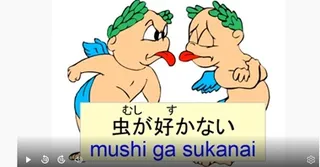
虫が好かない
Examples
- 彼はとても親切なんだけど、なんとなく虫が好かないんだ。
He’s really kind, but for some reason I just can’t warm to him. - 理由は分からないけど、あの人はどうも虫が好かない。
I don’t know why, but I just can’t stand that person.
Mini Quiz
A: どうしてあの上司と合わないの?
B: うーん、何か( )んだよね。
- 仲がいい
- 虫が好かない
- 尊敬している
Answer
② 虫が好かない
Vocabulary & Notes
- 虫が好かない:instinctively can’t stand someone
- 親切:kindness; kind
- 理由:reason
- 尊敬する:to respect
Back to the full list: 30 Japanese Idioms · Try quizzes: Idioms quizzes
Enjoyed these idioms?
Keep going with our online lessons or meet our experienced teachers.
Practice these idioms in live lessons
Try two 50-minute sessions with our teachers for free.
No commitment. Cancel anytime within 2 weeks.
Related Articles
Since 2006, Japonin (JOI) has provided online Japanese lessons to over 6,000 learners worldwide, guided by our team of qualified and experienced teachers.
Written by Chiho Kamioka, Founder of Japonin (JOI)