Japanese Idioms – Part 6 (26–30)
Learn 5 Japanese idioms that highlight character, habits, and vivid expressions, with JP/EN examples and a short video lesson.
These idioms are common in conversation and useful for JLPT preparation (N3–N1). With this final set, you complete all 30 idioms to strengthen your fluency and cultural understanding.
Part of the Japonin Classic Series, with retro-style illustrations and short video lessons for effective and enjoyable learning.
図に乗る
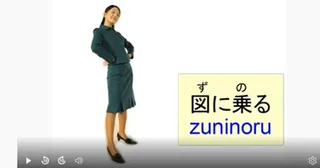
Examples
- 図に乗るなよ。まだ始まったばかりだ。
Don’t get carried away. We’ve only just started. - あまり彼を褒めないで。すぐ図に乗るから。
Don’t praise him too much. He’ll get carried away right away.
Mini Quiz
A: 彼、最近、ちょっと態度が大きくない?B: ( )、図に乗ってるんだよ。
- 彼女に振られて
- 彼女ができて
- 彼女に怒られて
Show Answer
Answer: 2 彼女ができて
Vocabulary & Notes
- 態度が大きい:arrogant / overbearing
- 彼女に振られて:got dumped by his girlfriend
- 彼女ができて: got a girlfriend
- 彼女に怒られて:got scolded by his girlfriend
良妻賢母
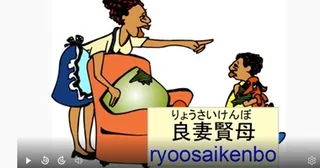
Examples
- 今の社会では、良妻賢母という考え方は時代遅れだと言われる。
In today’s society, the idea of “good wife, wise mother” is considered outdated.
Vocabulary & Notes
- 時代遅れ:outdated
鼻が曲がる
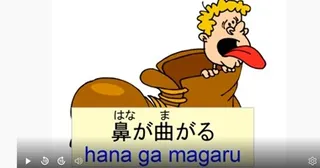
Examples
- 2週間放置したごみ箱が臭くて、鼻が曲がりそうだった。
The trash bin left for two weeks smelled so bad my nose almost bent. - 彼の部屋から、鼻が曲がるほどのにおいが漂ってきた。
A smell strong enough to make your nose bend drifted out of his room.
Mini Quiz
A: この冷蔵庫、におわない?
B: うわっ、( )ほどくさい!
- 口が悪い
- 鼻が曲がる
- 顔が広い
Show Answer
Answer: 2
Vocabulary & Notes
- 放置する:to leave something unattended / to neglect
- 漂う:to drift / to waft (in the air)
- 口が悪い:to have a sharp tongue / to speak harshly
- 顔が広い:to be well-connected / to know many peo
道草を食う
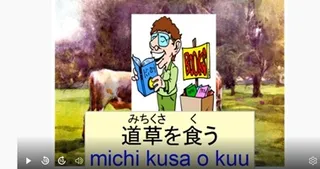
Examples
- 戻るのが遅かったね。どこで道草を食ってたの。
You came back late. Where were you dawdling? - 道草を食わないで、今日は早く戻ってきてね。
Don’t dawdle today, come home early.
Mini Quiz
A: なんでこんなに遅いの?
B: ごめん、( )から。
- 道草を食っていた
- 口が悪かった
- 耳が遠かった
Show Answer
Answer: 1 道草を食っていた
Vocabulary & Notes
- 口が悪かった:spoke harshly / had a sharp tongue
- 耳が遠かった:was hard of hearing
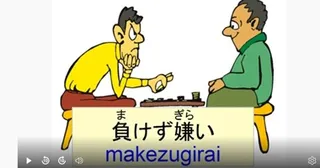
負けず嫌い
Examples
- 彼はとても負けず嫌いで、ゲームでも全力を尽くす。
He’s so competitive that he always gives his all, even in games. - 私はよく人から負けず嫌いな性格といわれます。
People often say I have a very competitive nature.
Mini Quiz
A: あの子、ほんとに( )だね。
B: うん、勝つまであきらめないよ。
- 負けず嫌い
- 八つ当たり
- 高みの見物
Show Answer
Answer: 1 負けず嫌い
Vocabulary & Notes
- 性格:personality
- 全力を尽くす:to give one’s all
- 八つ当たり:taking out one’s anger on someone / misdirected anger
- 高みの見物:watching from the sidelines / being a bystander
Back to the full list: 30 Japanese Idioms · Try quizzes: Idioms quizzes
Want to keep learning?
Join our online courses or connect with our teaching team.
Practice these idioms in live lessons
Try two 50-minute sessions with our teachers for free.
No commitment. Cancel anytime within 2 weeks.
Related Articles
Since 2006, Japonin (JOI) has provided online Japanese lessons to over 6,000 learners worldwide, guided by our team of qualified and experienced teachers.
Written by Chiho Kamioka, Founder of Japonin (JOI)