Japanese Idioms – Part 3 (11–15)
Learn 5 Japanese idioms that capture emotions, focus, and behavior, with JP/EN examples and a short video lesson.
These idioms are common in daily conversation and useful for JLPT preparation (N3–N1). They illustrate situations ranging from “nothing to complain about” to “blowing something off,” enabling you to communicate naturally and understand real-life Japanese.
Part of the Japonin Classic Series, with retro-style illustrations and short video lessons for effective and enjoyable learning.
言うことなし
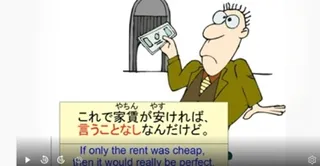
Examples
- このホテルのサービスは言うことなしだ。
The service at this hotel is perfect. - 彼のプレゼントの選び方は言うことなしだね。
His choice of gift is perfect.
Mini Quiz
A: わあ、この景色、すごいね!
B: うん、本当に( )だね。
- 言うことなし
- 油断なし
- 異論なし
Show Answer
Answer: 1
Vocabulary & Notes
- 言うことなし:nothing to complain about, absolutely perfect
- 選び方:way of choosing
- サービス:service
- 油断なし:no carelessness, fully alert
- 異論なし:no objection, agreed upon
喉から手が出るほど
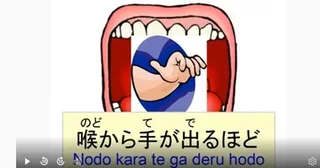
Examples
- 喉から手が出るほど欲しかった靴をやっと手に入れました。
I finally got the shoes I wanted so badly. - その車、喉から手が出るほど欲しいんですが、お金がないので買えません。
I want that car so badly, but I can’t afford it.
Mini Quiz
A: あのブランドのバッグの新作が出たよ。
B: えっ、それ( )ほしいよ。
- 目に入れても痛くないほど
- 腰が抜けるほど
- 喉から手が出るほど
Show Answer
Answer: 3
Vocabulary & Notes
- 喉から手が出るほど:to want something desperately
- 欲しい:want
- 目に入れても痛くないほど:so precious/lovable (often about one’s own child)
- 腰が抜けるほど:to be extremely shocked or astonished (literally “so shocked your legs give out”)
ずば抜ける
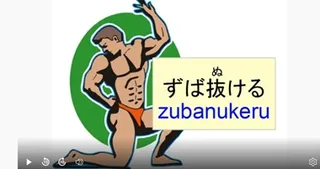
Examples
- 彼はずば抜けた能力を持っている。
He has outstanding ability. - その選手はずば抜けて速い。
That athlete is exceptionally fast.
Mini Quiz
A: あの学生、JLPT N1に合格したんだって。
B: 彼は( )頭がいいよね。
- さばを読んで
- ずば抜けて
- 鼻が曲がって
Show Answer
Answer: 2
Vocabulary & Notes
- ずば抜けて / ずば抜けた:outstanding, exceptional
- 能力:ability, capacity
- 速い:fast, quick
- さばを読む:to cheat on numbers (e.g., age, count)
- 鼻が曲がる:to be disgusted with, to detest (literally “nose bends”)
気が散る

Examples
- 工事の音がうるさくて、気が散る。
The construction noise is distracting me. - 勉強中にスマホの通知で気が散ってしまった。
I got distracted by phone notifications while studying.
Mini Quiz
A: ( )仕事が思うように進まない。
- 気が散って
- 気が利いて
- 気が合って
Show Answer
Answer: 1
Vocabulary & Notes
- 気が散る:to get distracted, to have one’s attention scattered
- 工事:construction work
- 通知:notification
- 気が利く:to be thoughtful, considerate
- 気が合って:to have affinity/rapport
すっぽかす
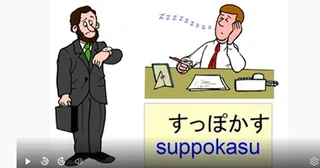
Examples
- 彼は疲れていたので、 会議をすっぽかしてしまった。
He skipped the meeting because he was tired. - 約束をすっぽかすなんて、 失礼だよ。
Skipping a promise like that is rude.
Mini Quiz
彼女は大事なミーティングをすっぽかしたので、( )。
- 上司に褒められた
- 上司に叱られた
- 上司にごちそうされた
Show Answer
Answer: 2
Vocabulary & Notes
- すっぽかす:to skip, to neglect (an appointment/meeting)
- 約束:promise, appointment
- 失礼:rudeness, impoliteness
- 叱られる:to be scolded
- 褒められる:to be praised
- ごちそうされる:to be treated (to food/drink)
Back to the full list: 30 Japanese Idioms · Try quizzes: Idioms quizzes
Keep learning beyond idioms
Go deeper with our structured online lessons or study with our teaching team.
Practice these idioms in live lessons
Try two 50-minute sessions with our teachers for free.
No commitment. Cancel anytime within 2 weeks.
Related Articles
Since 2006, Japonin (JOI) has provided online Japanese lessons to over 6,000 learners worldwide, guided by our team of qualified and experienced teachers.
Written by Chiho Kamioka, Founder of Japonin (JOI)