Japanese Idioms – Part 1 (1–5)
Learn 5 essential Japanese idioms with JP/EN examples, usage notes, and a short video lesson.
These idioms are frequently used in daily conversation and helpful for JLPT preparation (N3–N1). Mastering these idioms will make your Japanese sound more natural, while also enhancing comprehension of authentic Japanese texts such as news, dramas, and JLPT passages.
Part of the Japonin Classic Series, with retro-style illustrations and short video lessons for effective and enjoyable learning.
大きなお世話
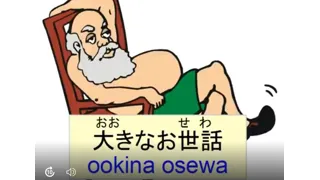
Examples
- 大きなお世話だよ。自分で決めるから。
That’s none of your business. I’ll decide for myself. - 体重のことまで 言うなんて、 大きなお世話だよ。
Commenting on my weight is totally out of line.
Mini Quiz
そんなこと言うなんて、ひどいなあ。( )だよ。
- ありがとう
- 大きなお世話
- いいね
Show Answer
Answer: 2
Vocabulary & Notes
- 大きなお世話:none of your business, unwanted meddling
- 体重:body weight
へそくり
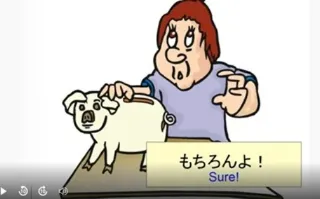
Examples
- へそくりが夫に見つかって、ちょっと気まずい。
My husband found my secret stash, and it was awkward. - 旅行のために、毎月少しずつへそくりしている。
I’m putting aside a little secret savings each month for a trip.
Mini Quiz
夫に内緒で新しいバッグを買いたいから、( )をためているところ。
- お年玉
- へそくり
- 会費
Show Answer
Answer: 2
Vocabulary & Notes
- へそくり:secret savings, stash of money
- 気まずい:awkward, embarrassing
- 見つかる:to be found, to get discovered
- 会費:membership fee, subscription fee
- お年玉:New Year’s gift money (traditionally given to children)
大目に見る
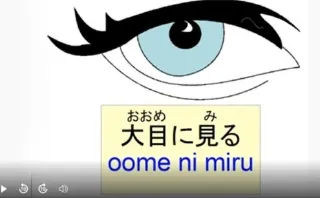
Examples
- 初めての失敗だから、大目に見るよ。
It’s your first mistake, so I’ll let it slide. - 提出が遅れたけど、先生が今回は大目に見てくれた。
My submission was late, but the teacher went easy on me this time.
Mini Quiz
バスが遅れたので、遅刻したんだね。それなら、( )ことにしよう。
- 大目に見る
- 叱る
- 謝る
Show Answer
Answer: 1
Vocabulary & Notes
- 大目に見る:to overlook, to be lenient with
- 失敗:mistake, failure
- 提出:submission (of homework, report, etc.)
- 遅れる:to be late, to be delayed
- 遅刻:being late, tardiness
- 叱る:to scold, to reprimand
- 謝る:to apolojize
ちやほや

Examples
- 彼はデビューしたばかりなのに、もう多くのファンにちやほやされている。
- He just made his debut, but he is already being fawned over by many fans.
- 彼は子どものころからちやほやされて育った。
He was doted on ever since he was a child.
Mini Quiz
彼女は男性に( )されて、いい気になっている。
- あたふた
- すっかり
- ちやほや
Show Answer
Answer: 3
Vocabulary & Notes
- ちやほや:to pamper, to spoil, to flatter
- 育つ:to grow up
- あたふた:in a fluster, in a hurry, confused
- すっかり:completely, entirely
目が高い

Examples
- このブランドを選ぶなんて、目が高いね。
You’ve got a good eye choosing this brand. - 彼がくれたプレゼント、とてもセンスがいいよ。ほんと目が高いね。
The present he gave you shows such good taste. He really has a good eye.
Mini Quiz
この高級ブランドの靴を選ぶなんて、( )ね。
- 目がくらむ
- 口が悪い
- 目が高い
Show Answer
Answer: 3
Vocabulary & Notes
- 目が高い:to have good taste, a discerning eye
- 選ぶ:to choose, to select
- センスがいい:to have good taste / stylish
- 目がくらむ:to be dazzled, blinded (often by money or luxury)
- 口が悪い:to be foul-mouthed, to speak harshly
Back to the full list: 30 Japanese Idioms · Try quizzes: Idioms quizzes
Want to keep learning?
Explore more in our Online Japanese Classes or meet our team of teachers.
Practice these idioms in live lessons
Try two 50-minute sessions with our teachers for free.
No commitment. Cancel anytime within 2 weeks.
Related Articles
Since 2006, Japonin (JOI) has provided online Japanese lessons to over 6,000 learners worldwide, guided by our team of qualified and experienced teachers.
Written by Chiho Kamioka, Founder of Japonin (JOI)