


JOI Support staff and manager.
Japanese Soup Words Japanese Reading Practice
Learn Real Japanese Through The Taste of Washoku
Discover how words like dashi, tsuyu, and shiru express the heart of Japanese cuisine.
Explore the Meaning of Dashi, Tsuyu, and Shiru in Japanese
Have you ever wondered why Japanese has several words for “soup”? In this blog lesson, Yamamoto sensei explains the subtle differences among dashi, tsuyu, and shiru using clear examples from daily life and cooking.
With furigana support and an English translation, it’s perfect for learners who want to improve listening and reading while exploring the language behind Japanese food culture.
Build vocabulary for cuisine and daily life, including ingredients, seasonings, and phrases you can use when ordering or cooking.
Take a quiet moment to enjoy the rhythm of natural Japanese and learn how these soup words shape flavor and meaning.
- Read Natural Japanese in Context
- Watch the video lesson to improve your listening
- Use furigana to make kanji easier to read
- Use the English translation to check your understanding
- Learn keywords from this week’s blog
- Meet the teacher of this post
Read Natural Japanese in Context:Japanese Soup Words
和食のスープの言葉

By YAMAMOTO Hiroshi
皆さんはうどんや天ぷら、みそ汁などの和食を食べたことはありますか。これらはどれもスープがある料理です。日本語には英語のスープを表す言葉として、「だし」、「つゆ」、「汁」などがあります。今回はこれらの違いを話します。上手に言葉を使って、かっこよく和食を楽しみましょう。
まず「だし」です。「だし」はコンブや鰹節、煮干し、シイタケなどの天然の食材を水に浸して煮ることによって作られます。味はシンプルで薄いのですが、深い自然の旨味があって、和食の味のベースを作っています。実際は「だし」をとった後に、味噌、醤油、塩、砂糖や、野菜・魚介類から出て来る水分で味を付けるので、「だし」だけで食べることはありません。

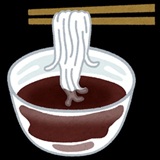
次に「つゆ」です。「つゆ」は「だし」をベースに醤油やみりん、砂糖などを加えて、甘さや風味などしっかりと味付けされた調味料です。天ぷらやざるそば、そーめん、牛丼などを食べる時に食材に付けたり、かけたりする物です。お店で売っている物も多く、簡単に使える調味料です。
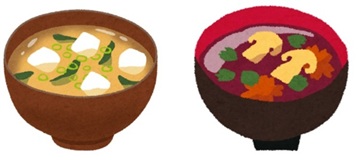
最後は「汁」です。みそ汁やお吸い物、豚汁など食材を煮込んで作る料理のことを言います。また、この料理の水分だけを言うこともあります。「つゆ」との違いは「つゆ」は食材に付けたりかけたりして食べますが、「汁」は食材と一緒に飲みながら食べます。
牛丼屋で、「つゆだくで」と言いながら注文するお客さんがいます。これは「つゆをたくさんかけて」という意味です。あなたも日本に来た時、牛丼屋で「つゆだくで」と言ってみてください。周りの日本人から「通だな」と、あなたは注目されると思いますよ。

Learn Japanese Listening with Video Lesson
Watch Yamamoto sensei unpack “Japanese Soup Words” with clear native pronunciation to sharpen your listening skills.
Learn Japanese Kanji with Furigana Reading Help
和食のスープの言葉
皆さんはうどんや天ぷら、みそ汁などの和食を食べたことはありますか。これらはどれもスープがある料理です。日本語には英語のスープを表す言葉として、「だし」、「つゆ」、「汁」などがあります。今回はこれらの違いを話します。上手に言葉を使って、かっこよく和食を楽しみましょう。
まず「だし」です。「だし」はコンブや鰹節、煮干、シイタケなどの天然の食材を水に浸して煮ることによって作られます。味はシンプルで薄いのですが、深い自然の旨味があって、和食の味のベースを作っています。実際は「だし」をとった後に、味噌、醤油、塩、砂糖や、野菜・魚介類から出て来る水分で味を付けるので、「だし」だけで食べることはありません。
次に「つゆ」です。「つゆ」は「だし」をベースに醤油やみりん、砂糖などを加えて、甘さや風味などしっかりと味付けされた調味料です。天ぷらやざるそば、そーめん、牛丼などを食べる時に食材に付けたり、かけたりする物です。店で売っている物も多く、簡単に使える調味料です。
最後は「汁」です。みそ汁や お吸い物、 豚汁 など食材を煮込んで 作つくる料理のことを言います。また、この料理の水分だけを言うこともあります。「つゆ」との違いは「つゆ」は食材に付けたりかけたりして食べますが、「汁」は食材と一緒に飲みながら食べます。
牛丼屋で、「つゆだくで」と言いながら注文するお客さんがいます。これは「つゆをたくさんかけて」という意味です。あなたも日本に来た時、牛丼屋で「つゆだくで」と言ってみてください。周りの日本人から「通だな」と、あなたは注目されると思いますよ。
English translation for understanding
Japanese Soup Words
Have you ever eaten Japanese dishes such as udon, tempura, or miso soup? All of these meals include some kind of soup or broth. In Japanese, there are several words that can translate to “soup” in English, such as dashi, tsuyu, and shiru. This time, let’s look at the differences between these words. By using them well, you can sound more natural and enjoy Japanese cuisine like a local.
First, “dashi.” Dashi is made by soaking and simmering natural ingredients like kombu (kelp), katsuobushi (dried bonito flakes), niboshi (dried sardines), or shiitake mushrooms in water. The flavor is simple and light, yet rich in natural umami, forming the base of most Japanese dishes. In practice, dashi is rarely eaten on its own. It is combined with miso, soy sauce, salt, sugar, and the moisture from vegetables or seafood to create the final flavor.
Next, “tsuyu.” Tsuyu is a seasoning made by adding soy sauce, mirin, and sugar to a base of dashi, creating a sweet and savory flavor with a rich aroma. It is used as a dipping or pouring sauce for dishes like tempura, zaru soba (cold soba noodles), somen, and gyudon (beef bowl). Many types of tsuyu are sold in stores, making it an easy and convenient seasoning to use at home.
Lastly, “shiru.” Shiru refers to soups such as miso soup, osuimono (clear broth), or tonjiru (pork and vegetable soup), in which ingredients are simmered together. Sometimes the word can also refer to just the liquid part of these soups. The difference from tsuyu is that tsuyu is used to dip or pour over food, while shiru is something you drink together with the ingredients.
At gyudon (beef bowl) restaurants, you might hear customers say “tsuyudaku de.” This means “with extra sauce.” If you say “tsuyudaku” when you order, Japanese people around you might think, “Wow, this person really knows their stuff!”
This week’s key vocabulary
みそ汁:miso soup
だし:Japanese soup stock made from fish and kelp
つゆ:(dipping) sauce
汁:soup
鰹節:pieces of sliced dried bonito
煮干し:(small crunchy) dried sardines
シイタケ:shiitake mushroom
天然:nature
食材:ingredient
浸す:to dip
煮る:to simmer
薄い:thin
深い:deep
旨味:good taste
味噌:made from soybeans
醤油:soy sauce
魚介類:seafood
みりん:type of sweet rice wine used in cooking
風味:flavor
調味料:seasoning
ざるそば:soba served on a bamboo draining basket with dipping sauce
そうめん:fine white noodles
牛丼:rice covered with sliced beef
お吸い物:clear broth soup
豚汁:miso soup with pork and vegetables
煮込む:to boil well
つゆだく:containing more broth or sauce than usual (of gyudon, etc.)
通:authority; expert
注目:attention
Meet the Teacher

Japanese Language Teacher
I began teaching Japanese to technical intern trainees and internship students, and I have been an online Japanese instructor at Japonin(JOI) since 2019.
My main focus is Business Japanese and JLPT grammar (N1, N2, N3, N4). I also offer short-term private lessons to boost business Japanese skills before starting a new job, taking an overseas assignment, or changing roles, scheduled at your convenience.
I worked for a major machinery manufacturer for about 40 years, rotating through production, trade, R&D, sales, general affairs, accounting, and auditing. Drawing on this experience, I can provide practical support for a wide range of business situations in Japanese.
Experience and Qualifications
- BA, Department of Business Information, Tokyo University of Fisheries
- Professional Engineer (Comprehensive Technical Management)
- Completed 420-hour Japanese Teacher Training Course (Human Academy)
- Passed the Japanese Language Teaching Competency Test
- Worked for a major machinery manufacturer for about 40 years (production, R&D, trade, sales, auditing, general affairs)
Join Yamamoto sensei's class and start learning Japanese today!