


JOI Support staff and manager.
English Loanwords in Japanese Japanese Reading Practice
Why familiar English words do not always sound the way you expect in Japanese.
In this blog, Yatabe sensei looks at English-derived loanwords in Japanese and introduces some interesting differences between English spelling and katakana pronunciation.
This Japanese teacher’s blog is a great way to study natural Japanese expressions while learning how familiar English words are used in Japanese. You can read, listen, and learn useful vocabulary through some surprising examples.
Read Natural Japanese in Context:English-Derived Loanwords
英語由来の外来語

By YATABE Kumiko
日本語を勉強している皆さんがご存じのように、日本語には英語から来た言葉がたくさんあります。私が面白いなと思うのは、英語のスペリングとカタカナの書き方との間には、決まった法則があるとは限らないということです。その例をいくつか挙げていきます。
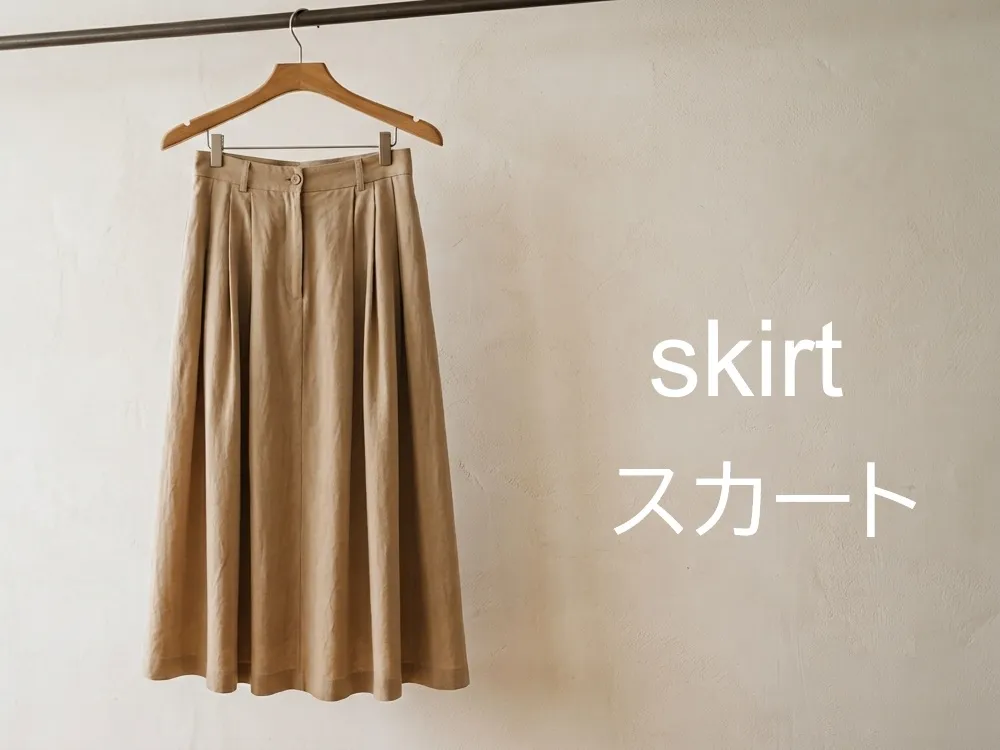
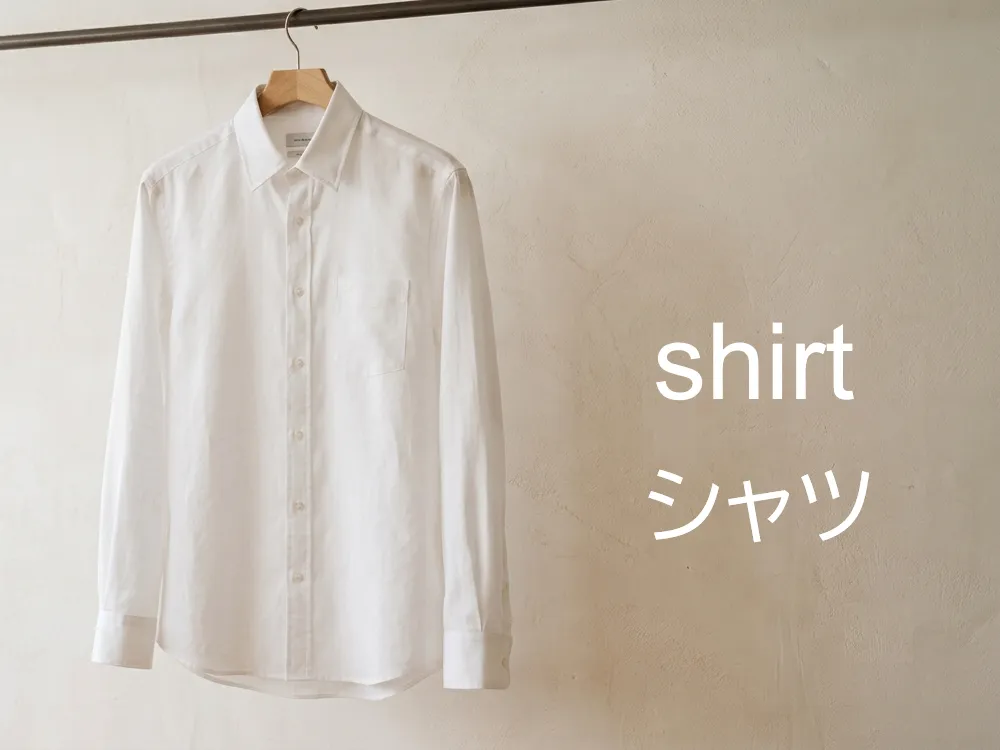
- skirtはスカートだが、shirtはシャツ(シャートではない)。
- running、cooking、shoppingはランニング、クッキング、ショッピングだが、surfingだけはサーフィン(グがない)。
- make、fake、shakeはメイク、フェイク、シェイクだが、cakeはケーキ(ケイクではない)。
- jacket、ticket、racketはジャケット、チケット、ラケットだが、bucketはバケツ(バケットではない)。
- teamはチームだが、お茶のteaはティー(チーではない)。
- laundryはランドリーだが、launderingはロンダリング。
- glassはガラスともグラスとも書かれる。ガラスは物体・材質で、グラスは飲み物を入れる器。
なんだか混乱しますね。
このようなものはまだまだたくさんあると思います。全部を完璧に覚えるのは大変なので、気楽に考えてくださいね。
Learn Japanese Listening with Video Lesson
Watch Yatabe sensei explain some surprising English-derived loanwords with clear native pronunciation and improve your Japanese listening skills.
Learn Japanese Kanji with Furigana Reading Help
英語由来の外来語
日本語を勉強している皆さんがご存じのように、日本語には英語から来た言葉がたくさんあります。私が面白いなと思うのは、英語のスペリングとカタカナの書き方との間には、決まった法則があるとは限らないということです。その例をいくつか挙げていきます。
- skirtはスカートだが、shirtはシャツ(シャートではない)。
- running、cooking、shoppingはランニング、クッキング、ショッピングだが、surfingだけはサーフィン(グがない)。
- make、fake、shakeはメイク、フェイク、シェイクだが、cakeはケーキ(ケイクではない)。
- jacket、ticket、racketはジャケット、チケット、ラケットだが、bucketはバケツ(バケットではない)。
- teamはチームだが、お茶のteaはティー(チーではない)。
- laundryはランドリーだが、launderingはロンダリング。
- glassはガラスともグラスとも書かれる。ガラスは物体・材質で、グラスは飲み物を入れる器。
なんだか混乱しますね。
このようなものはまだまだたくさんあると思います。全部を完璧に覚えるのは大変なので、気楽に考えてくださいね。
English Translation for Understanding
English-Derived Loanwords
As those of you studying Japanese already know, Japanese contains many words that originally came from English. What I find interesting is that there is not always a consistent rule connecting English spelling with the way a word is written in katakana. Here are a few examples.
- Skirt is スカート, but shirt is シャツ—not シャート.
- Running, cooking, and shopping become ランニング, クッキング, and ショッピング, but surfing becomes サーフィン, without the final グ.
- Make, fake, and shake become メイク, フェイク, and シェイク, but cake becomes ケーキ, not ケイク.
- Jacket, ticket, and racket become ジャケット, チケット, and ラケット, but bucket becomes バケツ, not バケット.
- Team is チーム, but tea, the drink, is ティー, not チー.
- Laundry is ランドリー, but laundering is ロンダリング.
- Glass can be written as either ガラス or グラス. ガラス refers to the substance or material, while グラス refers to a container used for drinks.
It is rather confusing, isn’t it?
I am sure there are many more examples like these. It would be difficult to memorize all of them perfectly, so please do not worry too much about it.
This Week’s Key Vocabulary
由来:origin; derivation
外来語:loanword; word borrowed from another language
法則:rule; law
挙げる:to give or list an example
物体:object; physical body
材質:material
器:container; vessel
混乱する:to become confused
完璧に:perfectly
気楽に:without worrying; in a relaxed way
Meet the Teacher

Japanese Language Teacher
Although my Japanese teaching experience has been solely at Japonin (formerly JOI), I have worked with many students over the years.
In 2012, I launched a dedicated listening practice class, now called LRC, to help learners who struggle with listening comprehension due to limited exposure to natural, spoken Japanese. The class has been very well received by many students.
Experience and Qualifications
- BA, Department of Japanese Painting, Tama Art University
- Completed the NAFL Japanese Teacher Training Program
- Passed the Japanese Language Teaching Competency Test
Join Yatabe sensei’s class and start learning Japanese today!