


JOI Support staff and manager.
Intermediate rearing of flounder Japanese Reading Practice
Have you ever eaten Japanese washoku fish cuisine?
There are many different types of fish used in Washoku. But one fish in particular has a special place in the hearts of the people of Oita prefecture.
Listen to the YouTube video and practice for the Listening Comprehension section of the JLPT exams.
カレイの中間育成
Intermediate rearing of Flounder

By YAMAMOTO Hiroshi
今回は魚のカレイのお話しをします。
私は大分県の日出町と言うところに住んでいます。
日出町は特に美味しいカレイが獲れて、「城下カレイ」と言うブランドで全国的に有名です。 しかし、自然の魚は獲りすぎると資源が減ってしまうので、これからも城下カレイを食べてもらうためには、資源を減らさないようにして獲ることが重要な課題です。
そこで日出町では1999年より人工的に生産したカレイの赤ちゃんの魚を、陸上の水槽で数か月間育て、5~10cmくらいまで大きくした後、海に放流することを始めました。 これを中間育成と言います。 自然の海では生まれたばかりの小さな子供の魚はほとんどが、厳しい自然環境により途中で死亡したり、他の大きな生き物の餌となったりして、大人まで育つ魚はごくわずかです。
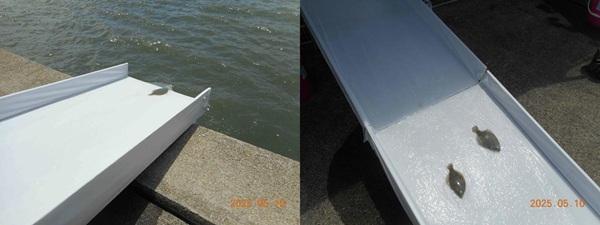
しかし、中間育成をすると、体力の弱い小さな子供の頃、陸上の水槽の中で保護されるので、生き残る割合は高まります。大きくなった子供の魚を海に放流すると、体力も生まれたばかりの頃よりもあるので、海の中で大人になれる割合も高くなります。
陸上で魚を育てるのには餌代や海水ポンプの電気代、人件費などがかかり大変です。しかしながら、中間育成は資源を計画的に増やすことができるので、これからの漁業の姿として期待されています。
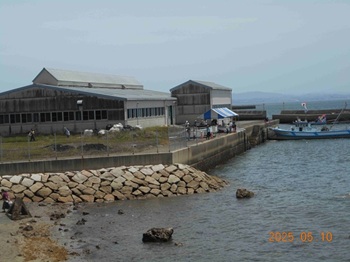
毎年、5月に城下カレイ祭りが地元であり、中間育成施設でカレイの放流イベントが行われているので、今年は私も参加しました。日出町では毎年30万尾の中間育成されたカレイの子供が海に放流され、その後は海の餌で大きく育ち、生き残った魚は2~3年後大人になり漁獲されるそうです。
いつまでも城下カレイのいる海であって欲しいと思います。
To listen to this blog, please watch our Youtube video.
今回は魚のカレイのお話しをします。
私は大分県の日出町と言うところに住んでいます。 日出町は特に美味しいカレイが獲れて、「城下カレイ」と言うブランドで全国的に有名です。 しかし、自然の魚は獲りすぎると資源が減ってしまうので、これからも城下カレイを食べてもらうためには、資源を減らさないようにして獲ることが重要な課題です。
そこで日出町では1999年より人工的に生産したカレイの赤ちゃんの魚を、陸上の水槽で数か月間育て、5~10cmくらいまで大きくした後、海に放流することを始めました。これを中間育成と言います。
自然の海では生まれたばかりの小さな子供の魚はほとんどが、厳しい自然環境により途中で死亡したり、他の大きな生き物の餌となったりして、大人まで育つ魚はごくわずかです。
しかし、中間育成をすると、体力の弱い小さな子供の頃陸上の水槽の中で保護されるので、生き残る割合は高まります。大きくなった子供の魚を海に放流すると、体力も生まれたばかりの頃よりもあるので、海の中で大人になれる割合も高くなります。
陸上で魚を育てるのには餌代や海水ポンプの電気代、人件費などがかかり大変です。しかしながら、中間育成は資源を計画的に増やすことができるので、これからの漁業の姿として期待されています。
毎年、5月に城下カレイ祭りが地元であり、中間育成施設でカレイの放流イベントが行われているので、今年は私も参加しました。日出町では毎年30万尾の中間育成されたカレイの子供が海に放流されているそうです。放流された魚はその後は海の餌で大きく育ち、生き残った魚は2~3年後大人になり漁獲されるそうです。
いつまでも城下カレイのいる海であってほしいと思います。
Intermediate rearing of Flounder
This time, I’d like to talk about a fish called “karei” (also known as flounder or flatfish in English).
live in a town called Hiji Machi in Oita Prefecture.
Hiji is famous throughout Japan for its particularly tasty flounder catch, under the brand name “Jōka Karei” or castle flounder.
However, if we overfish natural resources, the population will decrease. So, in order to ensure people can continue enjoying Jōka Karei in the future, it's important to catch them in a way that doesn’t deplete the resource.
Therefore, in 1999, Hiji Machi began raising artificially produced baby flounder fish for several months in a tank on land, growing them to about 5 to 10 cm in length, and then releasing them back into the sea. This process is called intermediate rearing.
In the natural ocean, most baby fish die early due to harsh environmental conditions or become food for larger creatures, and only a small number grow into adults.
However, with intermediate rearing, the young, weak fish are protected in tanks on land, which increases their survival rate. Once they’ve grown bigger and stronger, releasing them into the ocean also improves their chances of reaching adulthood.
Raising fish on land is difficult due to the cost of feed, electricity for seawater pumps, and labor.
Nonetheless, intermediate rearing allows us to increase fish stocks in a planned way, and it's seen as a promising model for the future of fishing.
Every May, a local event called the Jōka Karei Festival is held, and a fish-release event takes place at the intermediate rearing facility. I participated this year as well.
In Hiji Machi, around 300,000 intermediate- reared baby karei are released into the sea every year. These fish then grow on natural food in the ocean, and those that survive are caught as adults two to three years later.
I hope the sea will always be a place where Jōka Karei thrive.
カレイ:righteye flounder
中間育成:intermediate breeding
獲る:to catch (a wild animal or fish)
ブランド:brand
資源:resources
減る:to decrease
課題: subject;
人工的:artificial
水槽:fish tank
放流:release (of young fish into a river, pond, etc.)
厳しい:harsh (weather)
自然環境:natural environment
餌:(animal) feed
体力:physical strength
保護:preservation; conservation
割合:proportion
代:cost
人件費:personnel expenses
増やす:to increase
姿:image
地元:local
施設:institution
イベント:event
尾:counter for fish
漁獲:fishing
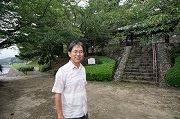
I started teaching Japanese to technical intern trainees and internship students, and since 2019, online Japanese instructor at Japonin(JOI).
My main focus is on Business Japanese and JLPT grammar (N1,N2.N3) in particular. I am also available for short-term private lessons to improve your business Japanese skills before joining a company, taking an assignment, or changing jobs on your requested schedule.
I worked for a major machine manufacturer for about 40 years. During that time, I was assigned to various departments such as factories, trading, R&D, sales, general affairs, accounting, and auditing. With these experiences, I believe I can provide you with practical assistance in various situations when you are doing business in Japanese.