Aizuchi in Japanese: How to Use Natural Listening Reactions in Daily Conversation
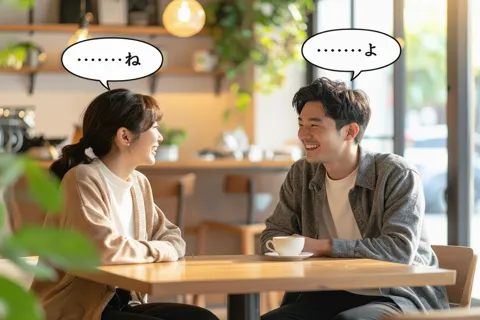
Short reactions like hee〜, sō nan da, and other simple listening cues are called aizuchi. They work like small English filler sounds such as “uh-huh,” helping the speaker feel heard and keeping the conversation flowing naturally.
In this guide, you will learn the most common aizuchi for daily conversation, with simple categories, nuance tips, and mini dialogues.
Updated: November 26, 2025

Quick Definition
Aizuchi are short reactions in Japanese conversation such as へぇ〜(hee〜), そっか〜(sokka〜), and うん、うん(un, un). They show that you are listening, understanding, or reacting emotionally.
In English, they are similar to short filler sounds such as “uh-huh” or “yeah,” used to show attention.
Japanese speakers use aizuchi more frequently than English speakers, which helps keep the conversation warm and interactive even while the other person is still talking.
- Use surprise aizuchi for: showing interest (e.g., へぇ〜! hee〜)
- Use agreement aizuchi for: empathy and shared feelings (e.g., だよね〜 da yo ne〜)
- Use listening aizuchi for: keeping the conversation natural (e.g., うん、うん un, un)
This guide uses simple romaji like “hee” and “sō nan da”. Some textbooks use macrons such as “hē” or “sō”, or spellings like “sou nan da”, but they represent the same Japanese sounds.
Key Takeaways:
• Aizuchi are short listener reactions that keep Japanese conversation warm and smooth.
• The same word (like へぇ〜 or そうなんだ) changes nuance depending on tone.
• Mixing categories makes your Japanese sound natural and friendly.
How to React Naturally in Japanese Conversation (Aizuchi)
Aizuchi are the small reactions Japanese speakers use while listening, such as へぇ〜(hee〜), そっか〜(sokka〜), and そうなんだ(sō nan da). Understanding how to react naturally is one of the fastest ways to sound fluent and keep conversations smooth.
When reacting in Japanese, choose your aizuchi based on three things: the speaker’s emotion, your relationship (casual or polite), and the tone you want to express. Even the same reaction can feel warm, surprised, neutral, or distant depending on pitch and timing.
What is Aizuchi and Why It’s Essential
Aizuchi are short listening reactions, often called “backchannels” in linguistics, that show you are engaged while someone is speaking.
Because long silence can feel distant in Japanese conversation, listeners often respond with small, frequent cues such as へぇ〜, そっか〜, or そうなんだ to keep the interaction warm and natural.
- They show you are listening: “I’m here with you.”
- They share emotion: surprise, empathy, happiness, interest, and more.
- They keep the flow of small talk: aizuchi help conversations feel light and natural.
Culture Note: “Listening Face” in Japanese
Japanese communication places a lot of value on being a good listener. People often nod, smile, and use aizuchi to show engagement.
If you stay silent with no reaction, some speakers may worry, “Did I say something wrong?” Even one aizuchi like へぇ〜(hee〜) can make the atmosphere warmer.
Daily Aizuchi Categories and Examples (30+)
Here are the main types of aizuchi you’ll hear in daily Japanese conversation, along with natural examples for each situation.
A. Surprise / Interest
- へぇ〜(hee〜)! – light surprise / “really?”
- えっ(e!) – quick shock / “what?”
- え〜(ee〜)! – big surprise / “no way!”
- うわ〜(uwaa〜)! – impressed surprise
- ほんと?(honto?) – “for real?” (casual)
- まじで?(majide?) – strong surprise (close friends only)
- すごい!(sugoi!) / すごいね!(sugoi ne!) – impressed / “wow!”
Mini example:
A: 今日、宝くじが当たったんだ。
B: え〜! ほんと? すごい!
ee〜! / honto? / sugoi!
English:
A: I won the lottery today.
B: What? Really? Wow!
B. Agreement / Understanding
- そうだよね。(sō da yo ne) – “totally / I agree”
- だよね〜(da yo ne〜) – softer agreement
- うん、うん(un, un) – “yeah yeah” while listening
- わかる。(wakaru) / わかる〜。(wakaru〜) – “I get it”
- あ〜、わかる。(aa, wakaru) – stronger empathy + agreement
- なるほどね。(naruhodo ne) – “I see” (friendly; not for formal situations)
Mini example:
A: 冬って朝、起きるのつらいよね。
B: だよね〜、わかる。
da yo ne〜 / wakaru
English:
A: Winter mornings are tough, right?
B: Yeah, totally. I get it.
C. Positive Reactions
- いいね!(ii ne!) – “nice!”
- それ、いいね!(sore, ii ne!) – “that’s a great idea!”
- よかったね。(yokatta ne) – “I’m happy for you”
- 最高だね。(saikō da ne) – “awesome”
- いいじゃん!(ii jan!) – casual “that’s good!”
- めっちゃいいね。(meccha ii ne) – very casual, young tone
Mini example:
A: 新しい仕事、決まったんだ。
B: へぇ〜! よかったね!
hee〜 / yokatta ne!
English:
A: I got a new job.
B: Really? That’s great!
D. Empathy / Concern
- そっか〜(sokka〜) – gentle empathy / “I see…”
- そうなんだ…(sō nan da…) – warm empathy depending on tone
- 大変だね(taihen da ne) – “that sounds tough”
- つらいね(tsurai ne) – “that’s hard”
- かわいそう…(kawaisō…) – “poor thing…” (use only with close people)
- うわぁ…(uwaa…) – wordless empathy / sigh-like reaction
Mini example:
A: 今週、 休み 全然 なくてさ。
B: そっか〜。 大変だね。
sokka〜 / taihen da ne
English:
A: I haven’t had any days off this week…
B: I see… That sounds tough.
E. Listening / Keep-Going Cues
- うん(un) – simple “yeah”
- へぇ(hee) – “Oh really.” A mild reaction; tone changes the nuance.
- ふ〜ん(fūn) – neutral “hmm”
- あ、そうなんだ(a, sō nan da) – light confirmation
- そうそう(sō sō) – “right, right”
- なるほど(naruhodo) – “I see” (OK with friends; in business it can sound evaluative or too direct)
Mini example:
A: 昨日さ、 新しいカフェ 行ったんだけど…
B: へぇ。
hee
English:
A: I went to a new café yesterday…
B: Oh really.
F. Hesitation / Thinking
- うーん(ūn) – thinking / not sure
- どうかな〜(dō kana〜) – soft uncertainty
- まあね〜(mā ne〜) – mild acceptance / “maybe”
- そうだねぇ(sō da nee) – gentle hesitation
- 確かに…(tashika ni…) – “true, but…” (daily conversation)
Mini example:
A: 今度の 旅行、 沖縄どう?
B: うーん、どうかな〜。
ūn / dō kana〜
English:
A: How about Okinawa for our next trip?
B: Hmm… I’m not sure.
Now that you’ve seen the main aizuchi categories, here is a quick comparison table to help you choose the right reaction in daily conversation.
Quick Comparison: Common Japanese Aizuchi
A quick list of common aizuchi, their meaning, and the best time to use them.
| Reaction | Meaning | When to Use | Level |
|---|---|---|---|
| へぇ〜(hee) | Surprise | New or unexpected info | Casual |
| そうなんだ(sō nan da) | Neutral acknowledgment | Light confirmation | Casual |
| ふ〜ん(fūn) | Mild understanding | Neutral listening reaction | Casual |
| そっか(sokka) | Casual “I see” | Friendly situations | Casual |
Hee〜 vs Sō nan da: How to Choose the Right Aizuchi
へぇ(hee) and そうなんだ(sō nan da) may look similar, but the nuance is different. In Japanese conversation, tone and context decide whether your reaction feels surprised, warm, neutral, or a little distant.
| Aizuchi | Nuance | Good for |
|---|---|---|
| へぇ〜 hee〜 |
Light surprise or interest. The tone rises slightly. | New information, fun stories, unexpected discoveries. |
| そうなんだ sō nan da |
Understanding + shared feeling. Warm, friendly tone. | Personal stories, good/bad news, everyday talk. |
| いいね ii ne |
Positive agreement. A friendly and encouraging reaction. | Plans, achievements, hobbies. |
| そっか〜 sokka〜 |
Soft empathy. A gentle “I see…” with comfort. | Sensitive topics, problems, tired feelings. |
In daily conversation, you can mix categories naturally. For example, へぇ〜、すごいね (surprise + praise) or そうなんだ、大変だね (empathy + concern).
Choosing the right combination makes your Japanese sound warm and natural.
Quick example:
A: 昨日、初めて一人でカフェに行ってみたんだ。
B1: へぇ〜。(hee〜)(light surprise, “oh really?”)
B2: そうなんだ(sō nan da)。(warm understanding, “I see, nice.”)
This kind of nuance also appears in other common Japanese expressions. For example, daijoubu can mean “yes,” “no,” or “I’m fine” depending on the situation and tone.
How to Keep Small Talk Going
If you only say aizuchi, the conversation may still stop quickly. A simple trick to keep small talk flowing is:
Formula: Aizuchi + short comment + easy follow-up question
へぇ〜、いいね!どこでやったの?
hee〜 / ii ne / doko de yatta no?
“Wow, nice! Where did you do it?”
Aizuchi to Avoid in Daily Conversation (NG Patterns)
In everyday small talk, most aizuchi are fine, but these patterns can sound strange or unintentionally rude.
| Pattern | Why it sounds off | Better option |
|---|---|---|
| へぇ。 (flat tone) hee (flat tone) |
A flat “hee” can sound like “I don’t care.” | へぇ〜! (rising tone) / うわ〜 hee〜 / uwaa〜 |
| ふ〜ん。 by itself fuun |
Can feel cold or a little judgmental if you use it too much. | そっか〜 / そうなんだ sō nan da / sokka〜 |
| まじで? to strangers majide? |
Very casual / young. With new people, it can feel rough. | えっ、本当? / へぇ〜 e, honto? / hee〜 |
| Overusing one aizuchi | Repeating そうなんだ (sō nan da) after every sentence sounds automatic. |
Mix feelings, for example: へぇ〜 / いいね / そっか〜 hee〜 / ii ne/ sokka〜 |
Tip: The same aizuchi can sound friendly or cold depending on your tone. A gentle smile and nod make your reactions feel warm and natural.
Real Dialogues with Natural Aizuchi
Here are short natural dialogues showing how aizuchi appear in daily small talk.
Dialogue 1 – Weekend plans (friends)
A: 今度の土曜、海に行こうかな。
kondo no doyou, umi ni ikou kana.
B: いいね!どこの海?
ii ne! doko no umi?
A: 湘南だよ。
shōnan da yo.
B: へぇ〜!天気よさそうだね。
hee〜! tenki yosasou da ne.
English:
A: I'm thinking about going to the beach this Saturday.
B: Nice! Which beach?
A: Shonan.
B: Oh really? The weather looks good!
Dialogue 2 – New hobby
A: 最近、陶芸はじめたんだ。
saikin, tōgei hajimetan da.
B: へぇ〜!すごい!どんな物つくってるの?
hee〜! sugoi! donna mono tsukutteru no?
A: 茶碗とか小さいおさら。
chawan toka chiisai osara.
B: うわ〜、見てみたい!
uwaa〜, mite mitai!
English:
A: I recently started pottery.
B: Really? Wow! What are you making?
A: Bowls and small plates.
B: Nice! I want to see them.
You’ll hear these every day in Japan. Now test how natural your reactions feel.
Mini Quiz – Choose the Best Aizuchi
Try these short questions to see how naturally you would respond.
Q1. A friend says:
「昨日、富士山にのぼってきたんだ。」
kinō, Fujisan ni nobotte kita n da.
Which reaction sounds most natural?
- そっか〜。
- へぇ〜、すごいね!
Show Answer
Answer: ②
Climbing Mt. Fuji is impressive, so へぇ〜、すごいね! fits well.
Q2. Your friend tells you good news:
「試験、合格したよ!」
shiken, gōkaku shita yo!
Which is a warm, friendly reaction?
- うわ〜!よかったね!
- なるほど。
Show Answer
Answer: ①
Good news calls for a positive reaction like よかったね!
Q3. A friend says:
「今週、忙しすぎてちょっとつらい。」
konshū, isogashi sugite chotto tsurai.
Which reply shows empathy?
- へぇ〜。
- そっか〜。大変だね。
Show Answer
Answer: ②
そっか〜。大変だね。 shows genuine empathy.
FAQ – Aizuchi & Small Talk in Japanese
How can I react naturally in Japanese conversation?
Use simple aizuchi such as へぇ〜, そうなんだ, なるほど, and そっか. These small reactions show you are listening and help the conversation flow without interrupting the speaker.
Can I use too many aizuchi?
Yes. Using the same aizuchi after every sentence can sound automatic. Mix different reactions and use them at natural pauses in the conversation.
Is it rude to react while someone is speaking?
In Japanese conversation, short aizuchi while the other person is talking are normal. They show interest and do not interrupt, as long as you keep them brief.
Do I need perfect pronunciation for aizuchi?
No. Most people will understand even if your accent is a little different. Timing and choosing the right feeling matter much more than perfect pitch.
Why do Japanese people use aizuchi so often?
Frequent aizuchi show good listening and emotional connection. They help the speaker feel comfortable and understood during small talk.
How can I sound natural when using aizuchi in Japanese conversation?
Use reactions that match the speaker’s emotion (surprise, empathy, happiness). A warm tone and a small nod make your aizuchi feel friendly and natural.
Practice Aizuchi & Small Talk with Japonin (JOI) Teachers
All Japonin (JOI) teachers are certified professionals with an average of over 15 years of teaching experience.
In our conversation classes and private lessons, you can build natural aizuchi timing and small-talk flow through real guided dialogues, from casual daily chat to more polite workplace conversations.
- Conversation Classes (Daily Japanese / CEFR A1–C2) – Learn natural small-talk flow and friendly aizuchi patterns.
- LRC Training (Listen → Repeat → Correct) – Train your ear to catch aizuchi and respond smoothly.
- Survival Japanese – Practice everyday reactions for shops, restaurants, and daily life in Japan.

Meet Our Conversation Japanese Teachers Online

YOKOZUKA Noriko
- 21+ years of teaching experience
- Intermediate / Intermediate Grammar (JLPT N2) / JLPT N2 Kanji / Advanced Grammar (JLPT N1) | Private Lessons

YATABE Kumiko
- 14+ years of teaching experience
- LRC ( Listen → Repeat → Correct )|Private Lessons

SOMEYA Sachiko
- 14+ years of teaching experience
- Beginner 1 / Beginner 2 / Advanced | Private Lessons
Ready to use aizuchi in real conversation?
Try two 50-minute live lessons with Japonin (JOI) teachers.
Try 2 Free Live LessonsJaponin Deep Dive / Conversation & Business Japanese


Since 2006, Japonin (JOI) has provided online Japanese lessons to over 6,000 learners worldwide, guided by our team of qualified and experienced teachers.

Written by Chiho Kamioka Founder
Aizuchi is one of the easiest ways to sound more natural in Japanese. Even with simple vocabulary, you can show warmth, empathy, and real connection in daily small talk.