- Details
 OOGI Tomoko
Japanese traditional calendar The Japanese annual traditional calendar typically starts with the first shrine visit of the year or Hatsumode. If you are planning to go, it might be good idea to try one of the lesser known shrines first, because the sheer numbers of people, and waiting in very long lines to offer prayers at the more famous Shinto shrines can be a little daunting for the first...
- Details
 MITSUMOCHI Yoko
Japanese sweet culture One of the most distinctive parts of Japanese culture is the art of Japanese Wagashi sweet making. The sweets are often eaten together with Japanese macha green tea. The range of styles and tastes is incredible and many of the sweet-makers belong to families with long traditions of sweet-making, with recipes and techniques past down from generation to generation....
- Details
 SAKUDE Emi
Christmas all around the world Christmas season is celebrated in so many countries now all over the world. Some countries, like Japan, are not traditionally Christian, do not have the same traditional cultures of Western countries or have different climates and local cuisine. Therefore there are often some variations to the Christmas traditions. For example, the Australians are famous for...
- Details
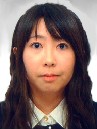 KITANO Megumi
Regional festivals and dances in Japan There are many dances and festivals all over Japan, especially during the summer season. Each local area has famous dances, for example, there is the famous Awa Odori in Tokushima prefecture in Shikoku among many others. Kitano sensei , one of the professional Japanese teachers at Japonin(JOI), lives in Sweden, but she was raised in Hokkaido in Japan. In...
- Details

Japanese seasonal fashion In November in Japan, the weather becomes colder, and Japanese people start to change their wardrobes from the autumn and late summer wear to their winter wear. Japanese seasonal fashion is an essential part of the nation's culture. And this blog from Yatabe sensei gives a personal and amusing view of the tough choices some of us have to make. You can read this blog,...
- Details
 INAMOTO Mariko
Okinawan cuisine and culture There are differences between the cultures and food eaten around different parts of Japan. Okinawa, the southernmost island chain of Japan, has a distinct tropical climate and as result different cuisine. One of these is the Hechima sponge cucumber, and Inamoto sensei , who has experience in traveling to various countries, and a lot of experience in teaching...
- Details

How to improve your lifestyle Human biorhythms can be adapted to suit your lifestyle. And following the natural flow of the day and sunlight is a great way to improve mental and sometimes physical health too. This means, going to bed early and getting up early too. The Japanese latest fad of “Asa Katsu” is based on this idea. And goes one further; try to make the most of those first few hours of...
- Details
 ITAYA Sayuri
Bullet train (or Shinkansen) rail system in Japan The Bullet Train or Shinkansen is the high-speed railway system that connects all corners of Japan. Well, almost all corners ! Some parts of Japan do not have Shinkansen lines connecting them to the other parts of the country. Itaya sensei , one of Japonin(JOI)'s professional Japanese teachers, lives in Hokkaido, which is one area of Japan that...
- Details
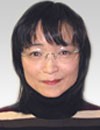 MIZUNO Momoyo
Aging gracefully in Japan Mizuno sensei writes about her husband in this Japanese learning blog. Her story is about just one Japanese man, but it could be about any man in Japan in their 50s. In this country of age-related salary and promotions, the older you get, the more you tend to work. But also physically, mentally and spiritually, you start to reach the limit of your energy. This blog...
- Details
 KAMIYAMA Yuki
Japanese Campus festivals Japanese schools and universities have many cultural and intramural events during the school calendar. And in Autumn the campus festival season starts. Japanese Manga and Anime often feature these events in their story lines, and there are similar events in different countries too, but there is also a uniqueness to some of these festivals that make them “very Japanese”....