
Humans and their pets have interesting relationships. None more so than a female cat and its owner. Takane sensei, one of Japonin(JOI)'s Japanese teachers adds this funny observation of living with a "mother cat". Learn Japanese online with this free blog. You can listen to the Japanese language with the free YouTube video and also learn vocabulary and Kanji by looking at the various versions and translations.
This Japanese teacher’s blog by TAKANE Yukiko sensei is a great way to study natural Japanese expressions. You can read, listen, and learn useful vocabulary from a short essay written in everyday Japanese.
▶What You’ll Learn
Read Natural Japanese in Context:Cat's presents
猫のおみやげ
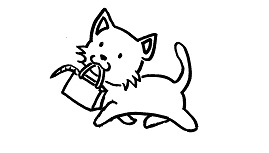
私の家には猫が一匹います。 毎日良く寝て、良く食べて、それから元気に出かけていきます。 しばらくして帰ってくると、時々おみやげを持ってきます。 それを私たちの前に置いて、「どうぞ」と言っているような顔をします。
そのおみやげは、トカゲです。時々ヘビやネズミもあります。 おみやげをもらったときは、大騒ぎです。
「キャー!」「だれか外に出して!」
実はこれはメス猫に多い習性のようです。 飼い主のことを子猫で、自分を母猫と思っていて、 狩りのできない子猫(私)のために獲物をとってくるそうです。 ですから、その時はおこらないほうがいいらしいです。 でも、ほめられませんよね。
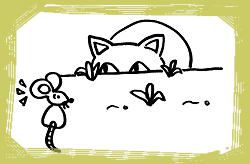
もうすぐ春。おみやげが多くなる季節です。 そこでお願い。
「ミイコ、わたしはスーパーで買い物して、毎日たくさん食べているから心配しないで!」
Learn Japanese Listening with Video Lesson
Watch TAKANE Yukiko sensei read this blog with clear native pronunciation and improve your Japanese listening skills.
Learn Japanese Kanji with Furigana Reading Help
私の家には猫が一匹います。 毎日良く寝て、良く食べて、それから元気に出かけていきます。 しばらくして帰ってくると、時々おみやげを持ってきます。 それを私たちの前に置いて、「どうぞ」と言っているような顔をします。
そのおみやげは、トカゲです。時々ヘビやネズミもあります。 おみやげをもらったときは、大騒ぎです。
「キャー!」「だれか外に出して!」
実はこれはメス猫に多い習性のようです。 飼い主のことを子猫で、自分を母猫と思っていて、狩りのできない子猫(私のために獲物をとってくるそうです。 ですから、その時はおこらないほうがいいらしいです。 でも、ほめられませんよね。
もうすぐ春。おみやげが多くなる季節です。 そこでお願い。
「ミイコ、わたしはスーパーで買い物して、毎日たくさん食べているから心配しないで!」
English Translation for Understanding
Cat's presents
We have one cat living in our house. Everyday she sleeps and eats a lot, and then she energetically goes out. After a while, she comes home and sometimes brings back a present with her. She places it in front of us with a facial expression that seems to be saying 'Here you go!'
These presents are often lizards. Sometimes she also brings snakes or mice. These presents are often met with an uproar.
“Kyaa !” (Japanese onamatopoeia for a scream) “Someone take this outside!”
Apparently, this is a common trait in female cats. They see their owners as kittens and see themselves as the mother cat. They tend to bring back prey for their kittens that cannot hunt for themselves (and that would be me!) So apparently one shouldn't get angry at that time. But we cannot really praise this either, can we.
Its almost spring. In this season, the presents tend to increase. So I would like to make a request here.
“Miiko, I go shopping at the supermarket and have a lot to eat everyday so please do not worry about me!”
This Week’s Key Vocabulary
トカゲ : lizard
大騒ぎ : clamour, uproar, tumult
メス猫 : female cat
習性 (しゅうせい) : trait
飼い主 : (cat, dog) owner
子猫 (こねこ) : kitten
母猫 : mother cat
狩り : hunting
獲物 : game, prey
ミイコ : name of my cat
Meet the Teacher

Japanese Language Teacher
Experience and Qualifications
- Completed Japanese Teacher Training Course
- Taught Japanese at a language academy in Saipan
- Taught Japanese at an institution in Cebu, Philippines, dispatching qualified trainees
- Japanese language instruction for trainees from companies in Chiba Prefecture
Join Yukiko-sensei's class and start learning Japanese today!