Japanese superstitions come from a variety of sources and roots. From Chinese Feng Shui, Buddhism and from Japanese Shinto.This blog from Japanese teacher, Itaya sensei introduces one superstition - one connected to how to choose a lucky wallet and make money !Learn about Japanese culture and learn more about the Japanese language from this short blog.
This Japanese teacher’s blog by ITAYA Sayuri sensei is a great way to study natural Japanese expressions. You can read, listen, and learn useful vocabulary from a short essay written in everyday Japanese.
▶What You’ll Learn
Read Natural Japanese in Context:Wallets and Japanese Superstitions
「財布」と「迷信」
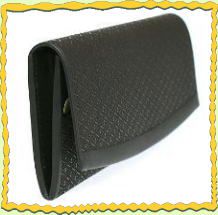
先日財布を買いました。今までは二つ折りの財布を使っていましたが、今度はお札を折らなくてもいい長い財布です。色は「黒」。昔から母に「赤い財布」はお金が貯まらないからダメ!と言われてきました。どうして赤はだめなのかというと、赤字(あかじ)[deficit]になるから。 財布は黒字 (くろじ) [balance (figure) in the black]の黒でなければいけないという迷信を母も私も信じている のです。しかし最近では「風水占い」で金運の上がる「黄色」も人気があるそうです。
それから、財布の中には「五円玉」を入れておきます。これはお金と「ご縁」(ごえん)[relationship]がありますように、という願掛けです。誰かに財布をプレゼントする時は、中に「五円玉」を入れてあげたほうがいいのだそうです。
また、財布の中に「蛙」の小物を入れておくのもいいそうです。かえる →「金帰る」、つまり、この財布にお金がまた帰って来ますように、という願掛けです。みなさんはどんな財布を持っていますか?お国では財布にまつわる迷信や願掛けがありますか。
Learn Japanese Listening with Video Lesson
Watch ITAYA Sayuri sensei read this blog with clear native pronunciation and improve your Japanese listening skills.
Learn Japanese Kanji with Furigana Reading Help
「財布」と 「迷信」
先日財布を買いました。今までは二つ折りの財布を使っていましたが、今度はお札を折らなくてもいい長い財布です。色は「黒」。昔から母に「赤い財布はお金が貯まらないからダメ!と言われてきました。どうして赤はだめなのかというと、赤字[deficit]になるから。財布は黒字 (くろじ)[balance (figure) in the black]の黒でなければいけないという迷信を母も 私も信じているのです。しかし最近では「風水占い」で金運の上がる「黄色」も人気があるそうです。
それから、財布の中には「五円玉」を入れておきます。これはお金と「ご縁」(ごえん)[relationship]がありますように、という願掛けです。誰かに財布をプレゼントする時は、中に「五円玉」を入れてあげたほうがいいのだそうです。
また、財布の中に「蛙」の小物を入れておくのもいいそうです。かえる →「金帰る」、つまり、この財布にお金がまた帰って来ますように、という願掛けです。みなさんはどんな財布を持っていますか?お国では財布にまつわる迷信や願掛けがありますか。
English Translation for Understanding
Wallets and Japanese Superstitions
The other day I bought a wallet. Until now I had been using a wallet that folds in half,but this one is long and doesn't require money to be folded in half to use.It is black. From years back my mother used to say that,"Red wallets are no good because money never gets saved up in them!"The reason why was red no good is because the contents would 'fall into the red' (deficit).My mother and I too also believe in the superstition that wallets had to be in the black like balance figures are in the black. Recently however, because according to Feng Shui fortune telling the color yellow brings about luck with money, yellow wallets have become popular too.
Next I put a 5 yen coin into the wallet. This is a Buddhist or Shinto prayer that indicates that one hopes to have a good relationship with money. Apparently one should put a 5 yen coin into a wallet when giving it to someone as gift.
And also one should insert a small article with a figure of a frog in the wallet too. Frog in Japanese is Kaeru which is the similar to the word for return (Kaeru = return) therefore →「Okane ga kaeru」, (Money returns) or in other words it is a prayer that one hopes that money returns to the wallet. What kind of wallet do you have ? Do you have any superstitions or prayers connected to money in your country ?
This Week’s Key Vocabulary
財布 【さいふ】 purse; wallet
迷信 【めいしん】 superstition
二つ折り 【ふたつおり】 folded in half
お札 【おさつ】 bill
貯まる 【たまる】 to be saved up (e.g. money)
赤字 【あかじ】 deficit; (being in or going into) the red
黒字 【くろじ】balance (figure) in the black
信じる 【しんじる】 to believe; to place trust in
風水 【ふうすい】 Chinese geomancy; feng shui
占い 【うら ない】 fortune-telling; divination
金運 【きんうん】 economic fortune; luck with money
人気 【にんき】 popularity; popular feeling
五円玉【だま】 five-yen coin
~ますように I hope... / I pray
願掛け 【がんかけ】 Shinto or Buddhist prayer
蛙 【かえる/カエル】 frog
小物 【こもの】 small articles
帰って来る 【かえってくる】 to return; to come back
【まつわる】 to be related to; to concern; to be associated with
Meet the Teacher

Japanese Language Teacher
Join a live Japanese class and start learning with our teachers today!