When speaking any language, there are words or expressions that we find useful and tend to use them over and over in many situations. Murayama sensei introduces some of these 'Kuchiguse' in this Japanese learning blog.
This Japanese teacher’s blog by MURAYAMA Yuki sensei is a great way to study natural Japanese expressions. You can read, listen, and learn useful vocabulary from a short essay written in everyday Japanese.
▶What You’ll Learn
Read Natural Japanese in Context:Kuchiguse : Japanese turns of phrase
口ぐせ
みなさんの口ぐせは何ですか。口ぐせとは、くせのようによく使う言葉です。
私の口ぐせは、まず、「ま、いっか。」 「まー、いっか。」「まいっかー。」です。これは、「まあ、いいか」を短くした言葉です。ミスをしたり、少しわからないことがあったりしても、「大丈夫、何とかなる」「100%でなくてもいい」と思ったときにつぶやきます。例えば、「メールするの忘れた!ま、いっか。あしたメールしよう。」 「完璧なレポートじゃないけど、まいっかー。」とつぶやきます。何とかならないときは、「やばい!」とつぶやきます。「ま、いっか」や「やばい」は砕けた表現なので、仕事では、上司や先輩の前で言わないでくださいね!
また、重いものを持つときや、疲れて座るときに、「よいしょ」とつい言ってしまいます。「すごい」や、とても砕けた言い方では「すげー」も、つい口から出てしまいます。
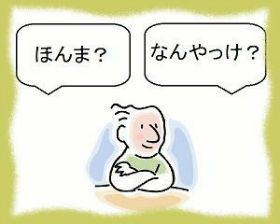
関西地方に引っ越してから、東京出身の主人は、「ほんとう?」の代わりに「ほんま?」、「何だっけ?」の代わりに「何やっけ?」と言うようになりました。「何だっけ?」「何やっけ?」は、何かを思い出せないときに言う言葉です。
このような言葉は、教科書にはありませんが、よく使う言葉だと思います。みなさんも、ときどきつぶやいてみてくださいね!
Learn Japanese Listening with Video Lesson
Watch MURAYAMA Yuki sensei read this blog with clear native pronunciation and improve your Japanese listening skills.
Learn Japanese Kanji with Furigana Reading Help
口ぐせ
みなさんの口ぐせは何ですか。口ぐせとは、くせのようによく使う言葉です。
私の口ぐせは、まず、「ま、いっか。」 「まー、いっか。」「まいっかー。」です。これは、「まあ、いいか」を短くした言葉です。ミスをしたり、少しわからないことがあったりしても、「大丈夫、何とかなる」「100%でなくてもいい」と思ったときにつぶやきます。例えば、「メールするの忘れた!ま、いっか。あしたメールしよう。」 「完璧なレポートじゃないけど、まいっかー。」とつぶやきます。何とかならないときは、「やばい!」とつぶやきます。「ま、いっか」や「やばい」は砕けた表現なので、仕事では、上司や先輩の前で言わないでくださいね!
また、重いものを持つときや、疲れて座るときに、「よいしょ」とつい言ってしまいます。「すごい」や、とても砕けた言い方では「すげー」も、つい口から出てしまいます。
関西地方に引っ越してから、東京出身の主人は、「ほんとう?」の代わりに「ほんま?」、「何だっけ?」の代わりに「何やっけ?」と言うようになりました。「何だっけ?」「何やっけ?」は、何かを思い出せないときに言う言葉です。
このような言葉は、教科書にはありませんが、よく使う言葉だと思います。みなさんも、ときどきつぶやいてみてくださいね!
English Translation for Understanding
Kuchiguse : Japanese turns of phrase
What is your “kuchiguse”? “Kuchiguse” means the words that you always tend to use like a habit.
My first kuchiguse is “ma, ikka”, “maa, ikka”, or “ma, ikkaa.” These are shortened versions of “maa, iika” (it’s OK). I murmur them when I think “It’s OK, I can manage the situation” or “It might not be perfect but It’s OK”, if I make a mistake or cannot understand things fully. For example, I would say “I forgot to send an email! ... ‘ma, ikka’, I’ll send it tomorrow.” “It’s not a perfect report, but ‘ma, ikkaa’”. If I could not manage to do something, I would say “yabai!”(Oh no!). “Ma, ikka” and “yabai” are informal expressions, so please do not say them in front of your bosses and seniors in your business!
When I carry a heavy thing or when I get tired and sit down, I carelessly say “yoisho. “Sugoi” and “sugee” (as an informal expression) comes from my lips, too.
Since we moved to Kansai area, my husband, who is from Tokyo, has begun saying “honma?” instead of “hontoo?”, and “nan yakke?” instead of “nan dakke?” “Nan dakke?” and “nan yakke?” are the words we say when we cannot recall of something like “What was it again...?”
These words are not in the textbooks, but I believe are common words. Please try to “murmur” them!
This Week’s Key Vocabulary
くせ habit
ミス mistake
何とかなる / 何とかならない can/cannot manage the situation
つぶやきます; つぶやく murmur
完璧 perfect
砕けた informal
上司 boss
先輩 senior
つい carelessly
言い方 way of saying, expression
...出身 come from ...
...の代わりに instead of ...
思い出せない cannot recall
Meet the Teacher

Japanese Language Teacher
Join a live Japanese class and start learning with our teachers today!