Do you know how to wear a kimono ? There is a course for this and Yanaka sensei is taking this course now. Read about the details of this Japanese cultural class and learn some new Japanese in the process in this Japanese language blog.
This Japanese teacher’s blog by YANAKA Izumi sensei is a great way to study natural Japanese expressions. You can read, listen, and learn useful vocabulary from a short essay written in everyday Japanese.
▶What You’ll Learn
Read Natural Japanese in Context:How to wear a kimono
着付け
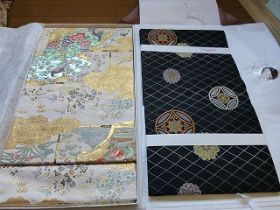
着付けを習い始めました。 着物を何枚か母からもらっていたのですが、ほとんど着ることはなく タンスに眠っていました。Japonin(JOI)で教え始めるのをきっかけに、着物について勉強しようと思ったのです。
今は入門コースです。今年の4月から1年間、初級コースで勉強します。 初級コースでは、 着物の基本から勉強し、 長じゅばんに衿をつけるところから始めます。長じゅばんにつける衿は半衿といって、汚れを防ぐためにつけます。着物から少しだけ見える半衿は着物をおしゃれに見せる効果もあります。着物を着ている人をみたら、首のところを注目してください。
小半衿のつけ方を勉強した後、普段着といって日常的に着る着物の着方を勉強します。その次に外出着といって出かけるときに着る着物、そして最後は留袖といって結婚式のときに着るようなフォーマルな着物の着方を勉強して修了です。
初級コースが終わると、一人で着物を着ることができるようになります。 その次が中級コースで、中級コースが終わると他の人に着物を着せることができます。 皆さんが日本に来たときに、着物を着てもらえたら素敵ですね。 それまで頑張って練習します。
Learn Japanese Listening with Video Lesson
Watch YANAKA Izumi sensei read this blog with clear native pronunciation and improve your Japanese listening skills.
Learn Japanese Kanji with Furigana Reading Help
着付けを習い始めました。 着物を何枚か母からもらっていたのですが、ほとんど着ることはなくタンスに眠っていました。Japonin(JOI)で教え始めたのをきっかけに、着物について勉強しようと思ったのです。
今は入門コースです。今年の4月から1年間、初級コースで勉強します。 初級コースでは、着物の基本から勉強し、長じゅばんに衿をつけるところから始めます。長じゅばんにつける衿は半衿といって、汚れを防ぐためにつけます。着物から少しだけ見える半衿は着物をおしゃれに見せる効果もあります。着物を着ている人をみたら、首のところを注目してください。
半衿のつけ方を勉強した後、普段着といって日常的に着る着物の着方を勉強します。その次に外出着といって出かけるときに着る着物、そして最後は留袖といって結婚式のときに着るようなフォーマルな着物の着方を勉強して修了です。
初級コースが終わると、一人で着物を着ることができるようになります。 その次が中級コースで、中級クラスが終わると他の人に着物を着せることができます。 皆さんが日本に来たときに、着物を着てもらえたら素敵ですね。 それまで頑張って練習します。
English Translation for Understanding
How to wear a kimono
I have begun to learn how to put on a Kimono. I have received several kimonos from my mother but since I hardly have an opportunity to wear them, they are sleeping in the chest of drawers. After starting to teach at Japonin(JOI), I used this experience as a spark and decided to study about kimonos.
I am doing the Introductory course now. A year from April, I will start studying the Beginner's course. In the Beginner's course we study the basics of kimono, and start with how to put on the neckpiece of the long underwear (or Nagajuban). The neckpiece of the Nagajuban is called a Haneri and is used to protect the kimono from any stains. Showing a little of the Haneri on the kimono in an effective way to wear the kimono stylishly. When you next see someone wearing a kimono, pay attention to the neckline.
After learning how to wear the Haneri neckpiece, we learn how to wear the Fudangi (or ordinary clothes) which are worn daily. Next we learn how to wear the Gaishutsugi, which is the type of kimono one wears when going out somewhere and finally we learn how to wear the Tomesode, which is a formal type of kimono like the ones worn at weddings and with this the course is over.
At the end of the Beginner's course, we will be able to put on a kimono by ourselves. After this course is the Intermediate course. At the end of the Intermediate course, we will be able to dress another person in a kimono. When you all come to Japan, it would be lovely if I could dress you in a kimono. I will continue to study hard and practice until then.
This Week’s Key Vocabulary
着付け Kitsuke (to wear a kimono)
タンスに眠っている Sleeping in the chest of drawers (storing in it without wearing)
着物の基本 The basis of kimono
長じゅばん Nagajuban (under-kimono)
半衿 Haneri (neckpiece on kimono)
汚れを防ぐ to prevent stain
おしゃれに見せる to look stylish
普段着 Fudangi (ordinary clothes)
日常的に daily
着方 how to wear
外出着 Gaishutsugi(street clothes)
留袖 Tomesode (a married woman’s formal kimono)
フォーマルな formal
修了 completion (of the regular course)
着せる dress
Kyoto Kimono Rental Rikawafuku
Popular & Recommended Kimono Rental Plans in Kyoto
Over 900,000 customers served
Meet the Teacher

Japanese Language Teacher
Join a live Japanese class and start learning with our teachers today!