
Are Cultural Differences Disappearing?
How the Internet is changing the way we connect, understand, and share across cultures.
In this blog, Yatabe sensei talks about how the Internet is changing cultural differences and the way we connect with people around the world.
This Japanese teacher’s blog is a great way to study Japanese through natural expressions about everyday life and culture. You can read, listen, and learn useful words while thinking about how the world is changing.
Read Natural Japanese in Context:Changes in Cultural Differences
文化の違いの変化
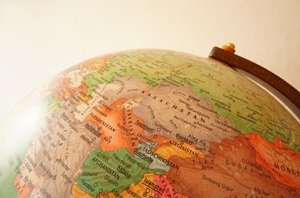
国による文化の違いが昔に比べて小さくなってきているように感じます。その最大の要因はインターネットでしょう。外国の話題がリアルタイムで入ってきますし、流行りのものや料理のレシピなども調べればすぐにわかります。YouTubeなどで一つの動画に色々な言語で書かれたコメントを読むと、どこの国の人も大体同じような感想を書いていて、人って同じだなあと思います。
外国のものの中で、笑いは理解するのが最も難しいものだと言われています。コメディを見て笑うには、その背景や前提を知っている必要があるからです。それでも、数十秒の短い動画なら、容易に理解して笑えることが増えてきました。
文化の違いが小さくなると、海外の物や旅行から得る新鮮味や感動も多少減っているかもしれません。どんな現象にもプラス面とマイナス面があるのは仕方のないことですね。
日本は島国のため、海外のことは他人事と考えている人も少なくありません。遠い国の人のことも気持ちがわかるようになったら、世界がもっと優しく平和になるのではないかと思います。
Learn Japanese Listening with Video Lesson
Watch Yatabe sensei unpack “Changes In Cultural Differences” with clear native pronunciation to sharpen your listening skills.
Learn Japanese Kanji with Furigana Reading Help
文化の違いの変化
国による文化の違いが昔に比べて小さくなってきているように感じます。その最大の要因はインターネットでしょう。外国の話題がリアルタイムで入ってきますし、流行りのものや料理のレシピなども調べればすぐにわかります。YouTubeなどで一つの動画に色々な言語で書かれたコメントを読むと、どこの国の人も大体同じような感想を書いていて、人って同じだなあと思います。
外国のものの中で、笑いは理解するのが最も難しいものだと言われています。コメディを見て笑うには、その背景や前提を知っている必要があるからです。それでも、数十秒の短い動画なら、容易に理解して笑えることが増えてきました。
文化の違いが小さくなると、海外のものや旅行から得る新鮮味や感動も多少減っているかもしれません。どんな現象にもプラス面とマイナス面があるのは仕方のないことですね。
日本は島国のため、海外のことは他人事と考えている人も少なくありません。遠い国の人のことも気持ちがわかるようになったら、世界がもっと優しく平和になるのではないかと思います。
English translation for understanding
Changes in Cultural Differences
It feels like the cultural differences between countries have become smaller compared to the past. The biggest reason for this is probably the Internet. We can now access news and trends from other countries in real time, and it’s easy to find popular items or recipes with just a quick search. When I read comments written in different languages under the same YouTube video, I often notice that people from around the world share very similar impressions. It makes me realize that, deep down, we’re all quite alike.
Among things from abroad, humor is said to be one of the hardest to understand. To truly laugh at a comedy, you need to understand its cultural background and assumptions. Even so, with short videos lasting only a few seconds, it has become much easier for people everywhere to enjoy and laugh together.
As cultural differences become smaller, the sense of freshness or excitement we used to feel from foreign products or travel might have slightly faded. However, every phenomenon has both positive and negative sides, and that’s just the way the world works.
Because Japan is an island nation, some people still tend to see what happens overseas as someone else’s concern. But if we could better understand and empathize with people in faraway countries, I believe the world would become a kinder and more peaceful place.
This week’s key vocabulary
要因:cause, factor
変化:change
流行り:fashion, fad
動画:video
感想:impression, feedback
背景:background
前提:condition, premise
容易に:easily
新鮮味:freshness, novelty
感動:to be moved, deeply touched
現象:phenomenon
他人事:somebody else's problem
Meet the Teacher

Japanese Language Teacher
Experience and Qualifications
- BA, Department of Japanese Painting, Tama Art University
- Completed the NAFL Japanese Teacher Training Program
- Passed the Japanese Language Teaching Competency Test
Join Kumiko-sensei's class and start learning Japanese today!