Read about the Japanese tradition of displaying a hanging scroll in a tatami room.
Start with natural Japanese, then use furigana and the English translation as support.
Read Natural Japanese in Context:Japanese hospitality through kakejiku
「掛け軸」のおもてなし
「掛け軸」というものを見たことがありますか?
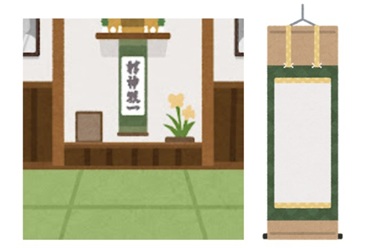
畳のある部屋の壁にこのように飾るもので、「巻きもの」と呼ばれます。「巻く」は、英語の roll の意味で、写真のように下からクルクルっと巻いて収納することができます。軽くて小さくなるので、場所をとらず、簡単にかたづけることができます。
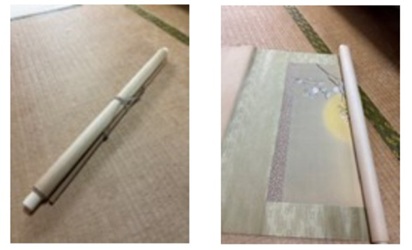
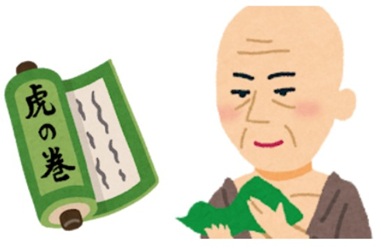
巻きもの文化は、仏教が由来で、バイブルのようなものを保存するために考えられ、必要な部分をクルクル回しながら読む本のような役割があったようです。昔の人のアイデアは素晴らしいですね。
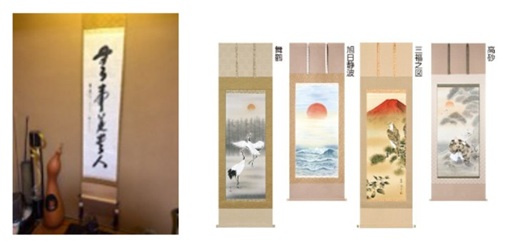
この掛け軸には「無事是貴人」と書かれています。「何事も無い日常に感謝する」という意味です。
掛け軸には、歌人の詩のほかにも、季節に合った絵を掛けたり、行事にあわせて何度も掛け換える習慣があります。
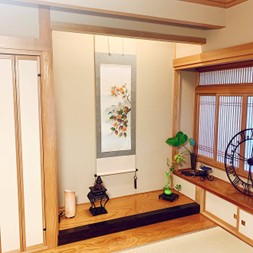
現在の日本では、和室がない家も多くなって、掛け軸のある家は少なくなりました。このような文化が時代とともに無くなっていくのは、なんだかとても寂しい気がします。でも、今でも畳のある日本料理のお店や、旅館には、ひょっとしたら、まだ掛け軸が見られるところがあるかもしれませんよ。
Learn Japanese Listening with Video Lesson
Listen to the teacher read and explain the story with clear native pronunciation to improve your listening skills.
Learn Japanese Kanji with Furigana Reading Help
「掛け軸」というものを見たことがありますか?
畳のある部屋の壁にこのように飾るもので、「巻きもの」と呼ばれます。「巻く」は、英語の roll の意味で、写真のように下からクルクルっと巻いて収納することができます。軽くて小さくなるので、場所をとらず、簡単にかたづけることができます。
巻きもの文化は、仏教が由来で、バイブルのようなものを保存するために考えられ、必要な部分をクルクル回しながら読む本のような役割があったようです。昔の人のアイデアは素晴らしいですね。
この掛け軸には「無事是貴人」と書かれています。「何事も無い日常に感謝する」という意味です。
掛け軸には、歌人の詩のほかにも、季節に合った絵を掛けたり、行事にあわせて何度も掛け換える習慣があります。
現在の日本では、和室がない家も多くなって、掛け軸のある家は少なくなりました。このような文化が時代とともに無くなっていくのは、なんだかとても寂しい気がします。でも、今でも畳のある日本料理のお店や、旅館には、ひょっとしたら、まだ掛け軸が見られるところがあるかもしれませんよ。
English translation for understanding
Japanese hospitality through kakejiku
Have you ever seen something called a kakejiku, or hanging scroll?
It is something displayed on the wall of a room with tatami mats, and it is also called a scroll. The word maku means “to roll,” and as you can see in the picture, it can be rolled up from the bottom for storage. Because it becomes light and compact, it does not take up much space and can be put away easily.
Scroll culture is said to have originated from Buddhism. It seems to have been devised to preserve texts like the Bible, and it played a role similar to a book, where you would read the necessary parts while rolling it along. People in the past had wonderful ideas, didn’t they?
This hanging scroll says, “Buji kore kijin.” It means, “Be grateful for an ordinary day in which nothing bad happens.”
Besides poems by poets, hanging scrolls also feature seasonal paintings, and there is a custom of changing them many times according to the season or an event.
In Japan today, more and more homes do not have a Japanese-style room, so homes with hanging scrolls have become less common. It feels a little sad that this kind of culture is disappearing with the times. But even now, in Japanese restaurants with tatami rooms or in traditional inns, you may still be able to see a hanging scroll.
This week’s key vocabulary
掛け軸:hanging scroll
畳:tatami mats
壁:wall
飾る:to decorate / to display
巻きもの:scroll / rolled item
収納する:to store
由来:origin
無事是貴人:be grateful for peaceful, ordinary days
歌人:poet
おもてなし:hospitality
旅館:traditional Japanese inn
講師の紹介
日本語教師
経歴・資格
- 文部科学省認定 英検2級取得
- Hong Kong General Chamber of Commerce 広東語中級取得
- 技能認定振興協会 医科医療事務管理士資格取得
- ヒューマンアカデミー日本語教師養成講座420時間以上修了
- 日本語教育能力検定試験合格
- 登録日本語教員
- 日本心理学会 認定心理士資格取得