


オンライン日本語講師紹介|担当レベル別に探す
Japonin(JOI)の講師は、大学や大学院で言語学・日本語教育を専攻した方や、日本語教師養成講座420時間を修了した方など、確かな資格と経験を持つプロフェッショナルです。
全員がJaponin(JOI)の約2か月間にわたる実践的なオンライン研修を修了しており、初級から上級、JLPT対策やビジネス日本語まで、幅広く指導します。
フレックスレッスン
レッスンを選んで講師を表示
プライベートレッスン
講師一覧

林 あゆみ
初中級 / 初中級文法(JLPT N3)/ 中級文法(JLPT N2)/ 上級文法(JLPT N1)|プライベート
資格・経歴
- 日本語教師歴:13年
- 文部科学省認定 英検2級取得
- Hong Kong General Chamber of Commerce 広東語中級取得
- 技能認定振興協会 医科医療事務管理士資格取得
- ヒューマンアカデミー日本語教師養成講座420時間以上修了
- 日本語教育能力検定試験合格
- 登録日本語教員
- 日本心理学会 認定心理士資格取得
香港に10年間住んでいました。香港の日本語学校で3年間、帰国後8年間日本語を教えています。 言葉の壁を乗り越えて、世界中の人とつながりたい!!そんな思いで、みなさんとの出会いを楽しみにしています。
わかりやすく、楽しく、心に残る授業を目指します。「できる」を実感してください!教室でお待ちしています。

石橋 薫
サバイバル / 初級1 / 初中級 / 初中級文法(JLPT N3) / 中級 / 上級 / ビジネス日本語 | プライベート
資格・経歴
- 日本語教師歴:20年
- 東京中央日本語学院日本語教師育成講座(420時間以上)終了
- 日本語教育能力検定試験合格
- 千葉、京都、大阪の日本語学校にて勤務
- 大阪、京都の企業にて日本語指導を担当
- 明海大学外国語学部日本語学科卒業
言語に興味があり、カナダ、スペインに留学。
千葉、大阪、京都の日本語学校にて勤務。
企業にて日本語指導を担当。
2013年よりJaponin(JOI)でオンライン日本語講師として勤務。
サバイバル、初級、初中級、中級、上級、ビジネスのレベルを担当。
多くのプライベートレッスンを担当し、目的に合わせたフレキシブルなレッスンを行っています。
私は、国際都市成田出身で子どものときからいろいろな国の人と交流することが好きでした。成田空港にて地上係員として接客の仕事に携わった経験があるので、敬語やビジネスマナーのお手伝いもできます。レッスンでみなさんとお会いできるのを楽しみにしています。

三好 美保
サバイバル / 初級1 | プライベート
資格・経歴
- 日本語教師養成講座(420時間)修了
- 中学校英語科教諭二種免許状 取得
- IT企業・こども英会話スクールでの勤務経験
- 現在、小学校にて英語授業サポートを担当(非常勤)
IT企業に勤務中、数か月ハワイにてビジネス研修の経験をすることがあり、その際、研修内容はもちろんですが、他国の方々からの支援、交流など、異文化の中で様々なことを学ばせていただきました。帰国後は、その経験が、特に、こどもたち、留学生に役に立つことがあればと、自分なりのサポートをしたり、教育関係の場での仕事もしてまいりました。 日本語教師としての養成講座を修了し、2026年からJaponinでサバイバル日本語オンラインレッスン、初級コースを担当することになりました。
趣味は、音楽を聞くこと、映画をみること、料理をすること、ピアノを弾くことです。レッスンでみなさんとお会いできることを楽しみにしています。

大井 哲也
初級2 / 初級2文法(N4) |プライベート
資格・経歴
- 日本語講師歴:7年
- ヒューマンアカデミー日本語教師養成講座420時間以上修了
- 愛知学院大学 商学部 商学科 卒業
- 日本商工会議所簿記検定試験3級合格
初めまして。私は2019年から国内の日本語学校で、様々なレベルの学生を指導してきました。私自身、大学卒業後にカナダへ留学した経験があり、異文化の中で生活する楽しさや、言葉が通じない苦労を知っているので、皆さんが抱く様々な不安を楽しさに変えていくお手伝いができます。 日本語教師としてのキャリアに加え、20年以上にわたりレストランマネジメントをしてきました。日常会話はもちろん、多くのお客様とのコミュニケーションや、業者との交渉を通じて培った「自然な日本語」を伝えることができます。
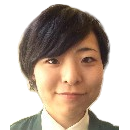
大澤 美妃
初級1/ 初級2 / N4漢字 / 初中級 / 初中級文法(JLPT N3)|プライベート
資格・経歴
- 日本語教師歴:14年
(群馬県、長野県、千葉県の日本語学校にて勤務) - 文教大学英米語英米文学科卒業
- 日本語教育副専攻
- 日本語教育能力検定試験合格
- 実用英語技能検定2級合格
- 日本漢字能力検定2級合格
- 世界遺産検定2級合格
大学を卒業してから、日本語学校で留学生に教えてきました。
初級〜上級レベルまで受け持ち、コースのスケジューリングなども担当してきました。Japonin(JOI)のフレックスレッスンでは初級〜初中級の担当ですが、漢字や語彙、JLPT対策のクラスもできます。プライベートレッスンのご希望も相談の上、ご対応いたします。
日本の歴史や世界遺産などが好きで、調べたり機会があれば訪れたりしています。日本の観光地、歴史や文化について、それぞれのクラスでも紹介しています。その他にも書道や漢字学習が趣味なので、漢字の勉強を始めたい方はN4の漢字クラスでお会いしましょう!

染谷 左知子
初級1/ 初級2 / 上級 |プライベート
資格・経歴
- 日本語教師歴:14年
- 東京女子大学文理学部卒業
- 東京、神奈川の日本語学校に勤務
- 日本に駐在する社員の方やそのご家族への日本語指導
- ニュージーランドの公立学校にて日本語教師アシスタントを経験
- 地域の国際交流ラウンジにて日本語ボランティアとして活動
子供から大人まで、様々な国の方へそれぞれのニーズに合わせた日本語指導を行ってきました。企業勤務経験を生かして、ビジネスマンへの日本語指導も行ってきました。2014年より、Japonin(JOI)でオンライン日本語講師として勤務し、たくさんの方にお会いしてきました。 これからも、日本語や日本の文化に興味を持ってくださる方々とお会いできることを楽しみにしています。

高根 由紀子
初級2 / 初級2文法(N4) |プライベート
資格・経歴
- 日本語講師歴:16年
- 日本語講師養成講座修了
- サイパン日本語学校にて日本語指導
- フィリピン セブ島の実習生送り出し機関にて日本語指導
日本語講師としてスタートはサイパンの日本語学校からです。小さなお子さんから高校生、大人の方まで幅広い年代の方に日本語を教えていました。その後、フィリピンにて日本へ渡航予定の技能実習生への日本語教育に3年携わりました。日本に帰国後、2012年よりJaponin(JOI)でオンライン日本語講師をしています。 長きにわたり初級教育に従事しています。

高瀬 千春
初級1 / 初中級 / 初中級文法(JLPT N3)/ 中級文法(JLPT N2)/ 上級 | プライベート
資格・経歴
- 日本語教師歴:16年
- 立命館大学文学部卒業
- NAFL 日本語教師養成プログラム修了
- 登録日本語教員
- 申請取次行政書士
オンラインスクールだけでなく、日本語学校(法務省告示校)で留学生にも教えています。 初級学習者から上級者まで広く、どのレベルでも対応できます。

山本 浩
初級2文法(JLPT N4) / 初中級文法(JLPT N3)/ 中級文法(JLPT N2)/ 上級文法(JLPT N1)/ 上級/ ビジネス|プライベート
資格・経歴
- 日本語教師歴:10年
- 東京水産大学水産経営系卒業
- 技術士(総合技術監理部門)資格取得
- ヒューマンアカデミー日本語教師育成講座(420時間以上)終了
- 日本語教育能力検定試験合格
- 機械メーカで工場、貿易、研究開発、販売、総務、経理、監査部門業務従事
技能実習生やインターンシップ学生に日本語を教え始め、2019年よりJaponin(JOI)でオンライン日本語講師。特にビジネス日本語、JLPT文法(N1・N2・N3)を主体に担当。入社・赴任・転職前のビジネス日本語能力向上のための短期間プライベートレッスンもご希望のスケジュールで対応。
私は、機械メーカに約40年勤めていました。その間、工場、貿易、研究開発、販売、総務、経理、監査と色々な部門で仕事をして来ました。
これらの経験より、あなたが日本語を使ってビジネスをする際、さまざまな場面で実践的なお手伝いができると思います。

谷田部 久美子
LRC|プライベート
資格・経歴
- 日本語教師歴:14年
- 多摩美術大学日本画科卒業
- NAFL日本語教師養成プログラム修了
- 日本語教育能力検定試験合格
日本語教師経験はJaponin(JOI)のみですが、沢山の生徒さんとお話ししてきました。 生の日本語を聴く機会が少なく、聴き取りが苦手な生徒さん達のため、2012年からリスニング練習クラス(LRC)を開始しました。 多くの生徒さんからご好評をいただいています。

横塚 紀子
中級 / 中級文法(JLPT N2)/ JLPT N2漢字 / 上級文法(JLPT N1)|プライベート
資格・経歴
- 日本語教師歴:21年
- 新潟大学大学院法学研究科修了(法学修士)
- 大学院在学中に日本語教師養成講座修了
- 地域の日本語ボランティアとして活動
- 日本語教育に従事(高崎・宇都宮・韓国の日本語学校、留学生日本語別科)
- 2008年からJaponin(JOI)で教え始める
北京留学をきっかけに日本語教師を志し、今まで多くの生徒様と楽しく日本語レッスンの時間を過ごしてきました。 現在、中級以上を担当しています。
私のレッスンでは、語彙力、構文力を上げて日本語の表現の幅と豊かさを身に着けることを基本目標とし、それによって会話力に磨きがかかっていくことを目指します。
中級から上級レベルへ、上級者は超級者へ。
楽しく(でもしっかり確実に)日本語を学ぶことが好きな皆様のご受講をお待ちしております。一緒に学びを楽しみましょう!
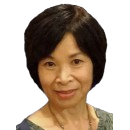
若生 治美
中級 / 中級文法(JLPT N2)|プライベート
資格・経歴
- 日本語教師歴:11年
- 法政大学大学院 社会科学研究科修士課程修了
- ヒューマンアカデミー日本語教師養成講座420時間修了
- 日本の航空会社で客室乗務員として乗務、その後空港スタッフとして勤務
- 異文化交流を目指すボランティアグループを創立し、日本語の指導と日本文化の普及活動を国内・海外で行う
- 外国企業のビジネスパーソンを対象としたプライベートレッスンに従事
- 海外の大学の日本語クラスを担当
航空会社に勤務しておりましたので、多くの国を訪れることができました。
自国の文化のすばらしさにも目覚め、異文化交流活動を行ってきました。海外の大学で行ったイベント活動【日本語学習者による「日本語の朗読会」】には、日本語専攻の学生だけでなく、アニメや漫画に興味ある人や、日本語の響きの美しさに魅かれて朗読会に参加された一般の方もいました。
このように日本語や日本文化に興味を持っている方や、日本での接客業に就きたい方等に、私の経験がお役に立てると思います。
みなさんのご希望の学習内容やスケジュールをお聞かせください。柔軟に対応致させていただきます。